Mend a faded photograph
Two quite different failures share the word. A colour print loses its cyan dye first, so the whole thing drifts orange and the shadows go red. A monochrome print has no colour to lose, so what goes is the contrast — and the paper yellows around what is left.
Daylight does most of the harm. A photograph that spent thirty years on a wall facing the window has had thirty years of it, and the strip the mount covered is usually still there to prove the point.
Bringing it back is a judgement rather than a slider. Skin has to return as skin and not as a fortnight in Spain, and a photograph taken in 1968 ought to look as though it was.
What fills a gap in a damaged photograph is our best guess, not what was there.
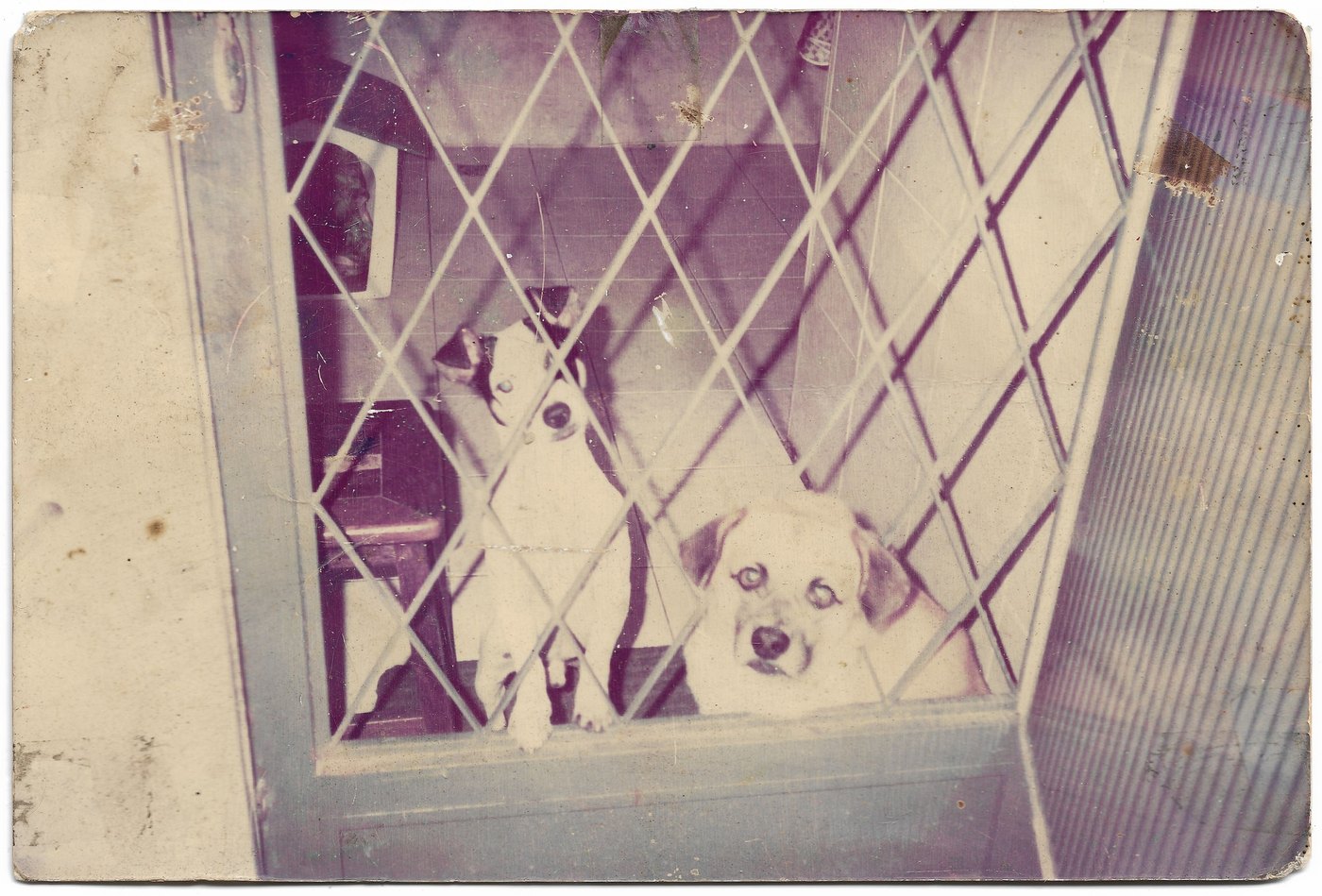
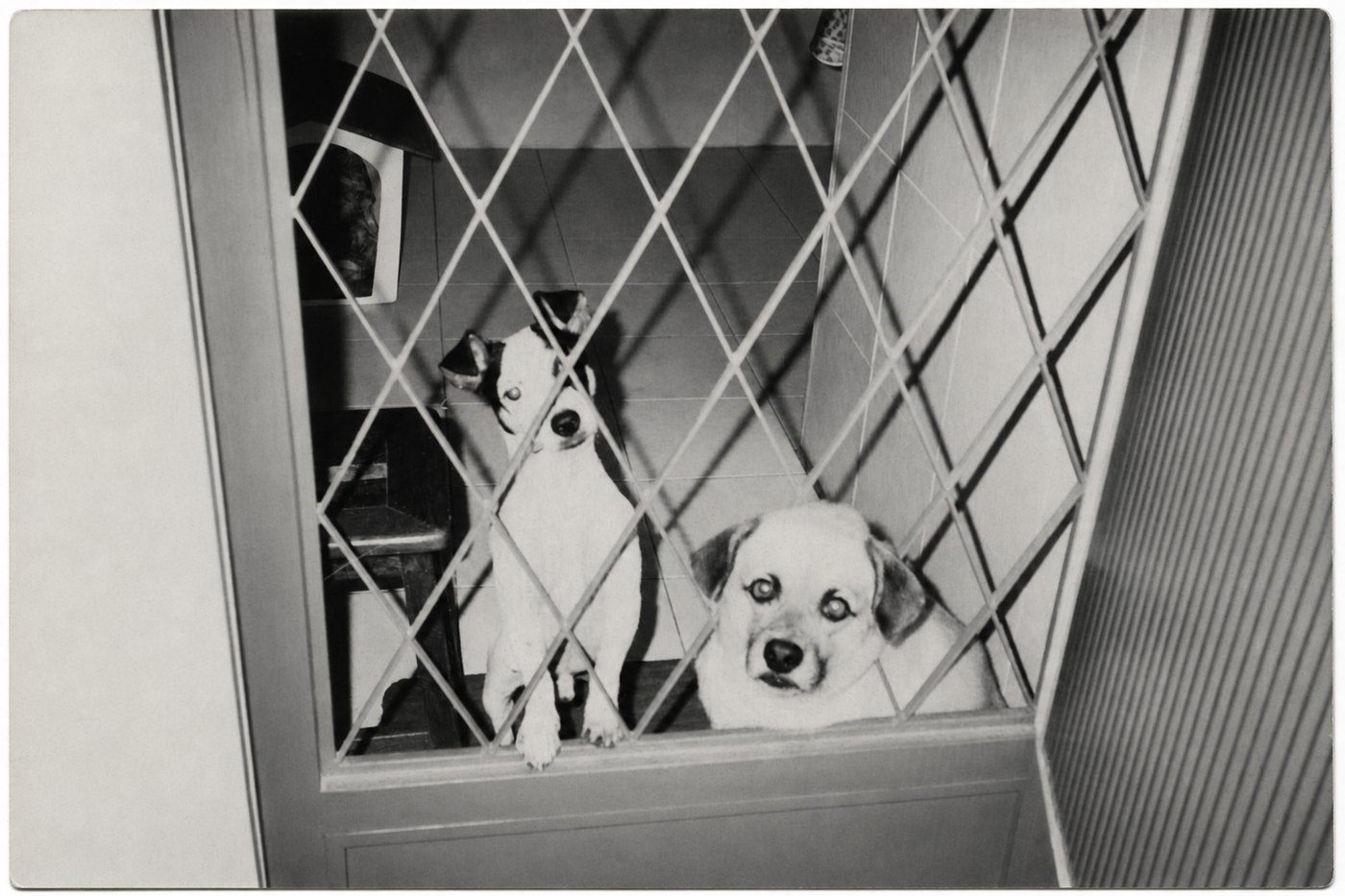
What comes back
- The orange and magenta drift of a faded colour print, corrected to muted tones the film of the day could actually have given.
- The yellowing of an old monochrome print, and the flat grey standing in for its blacks.
- Density and contrast across the whole frame, from a proper black in the shadows to clean white in the highlights.
- The hard edge where a mount or frame protected part of the print while the rest went on fading.
What never comes back
- Colour that was never on the paper. A monochrome photograph stays monochrome with us; colourisation is a different trade and we do not practise it.
- Detail faded past the point of recovery. Where a highlight has gone to bare paper there is nothing in it to read, and what appears there afterwards has been drawn rather than uncovered.
- Making it look as though it were taken last week. The aim is the photograph as it was, not as a telephone would have had it.
What fills a gap in a damaged photograph is our best guess, not what was there.
Three of these, mended
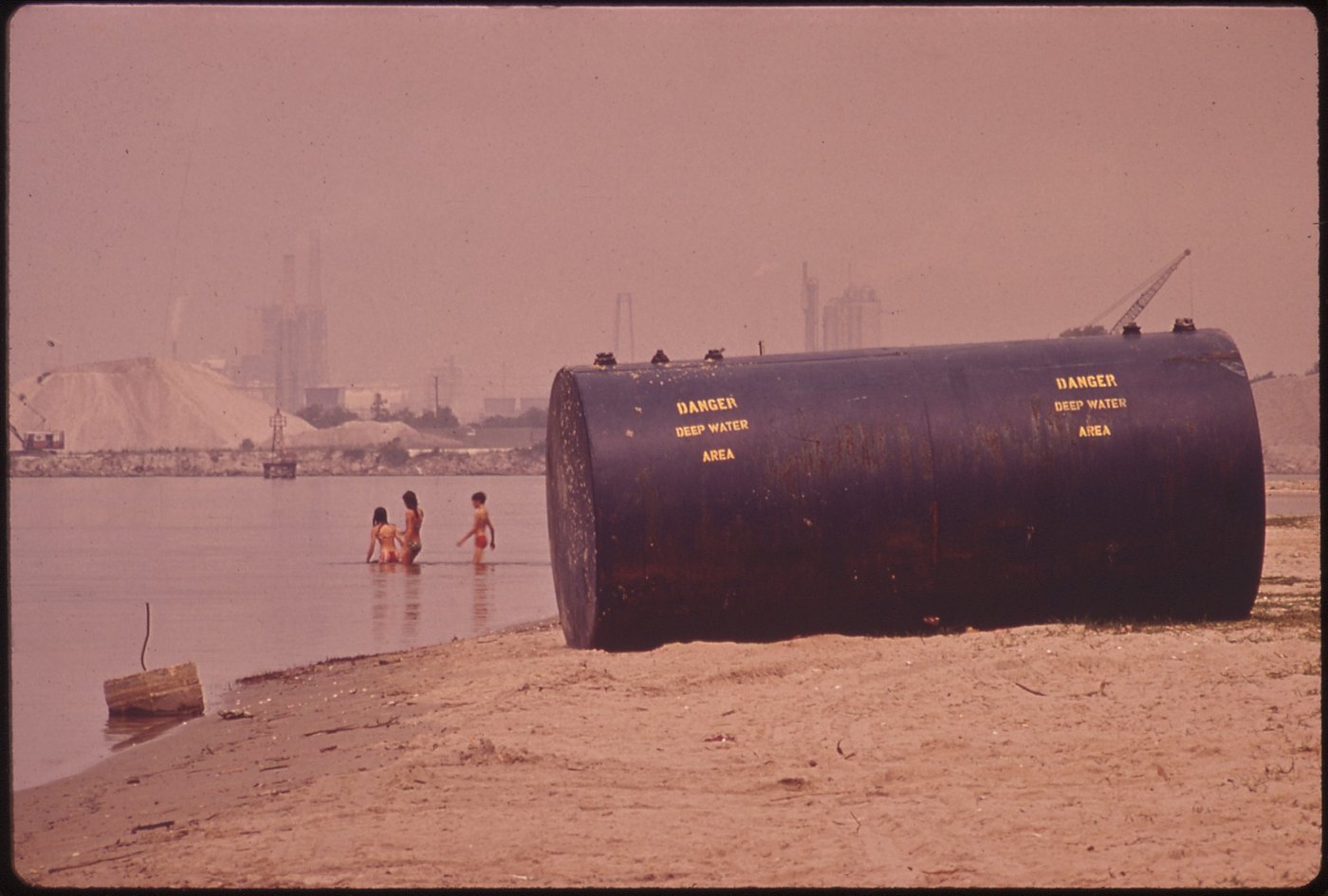
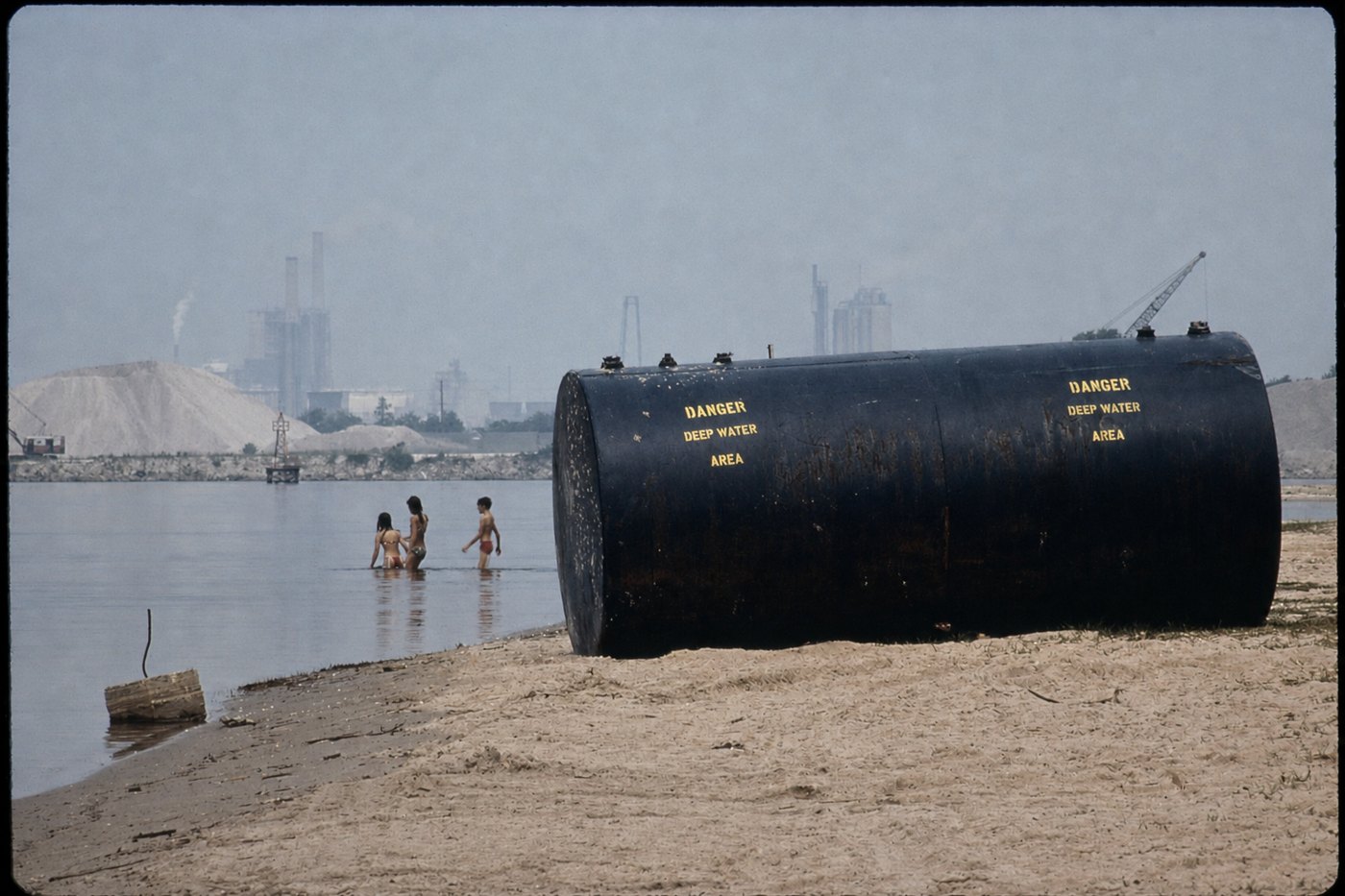
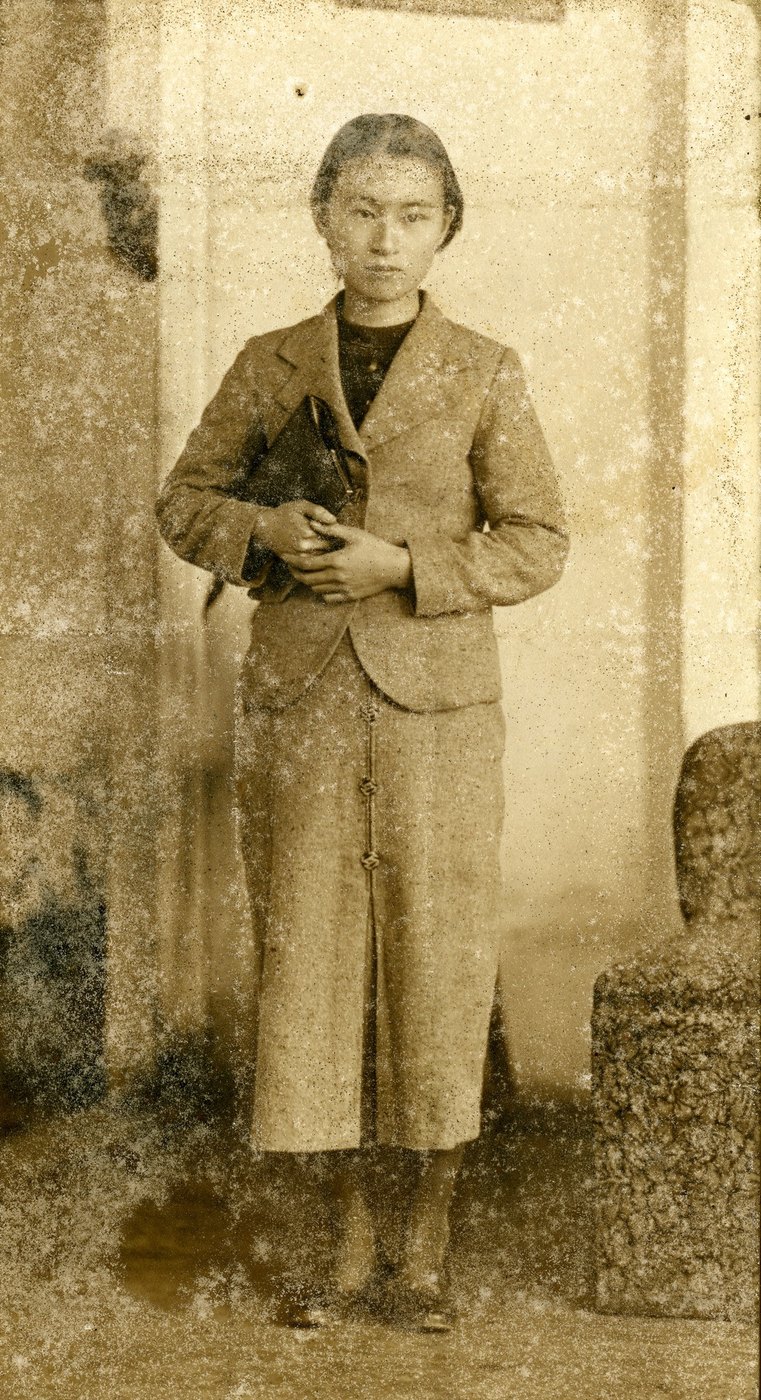
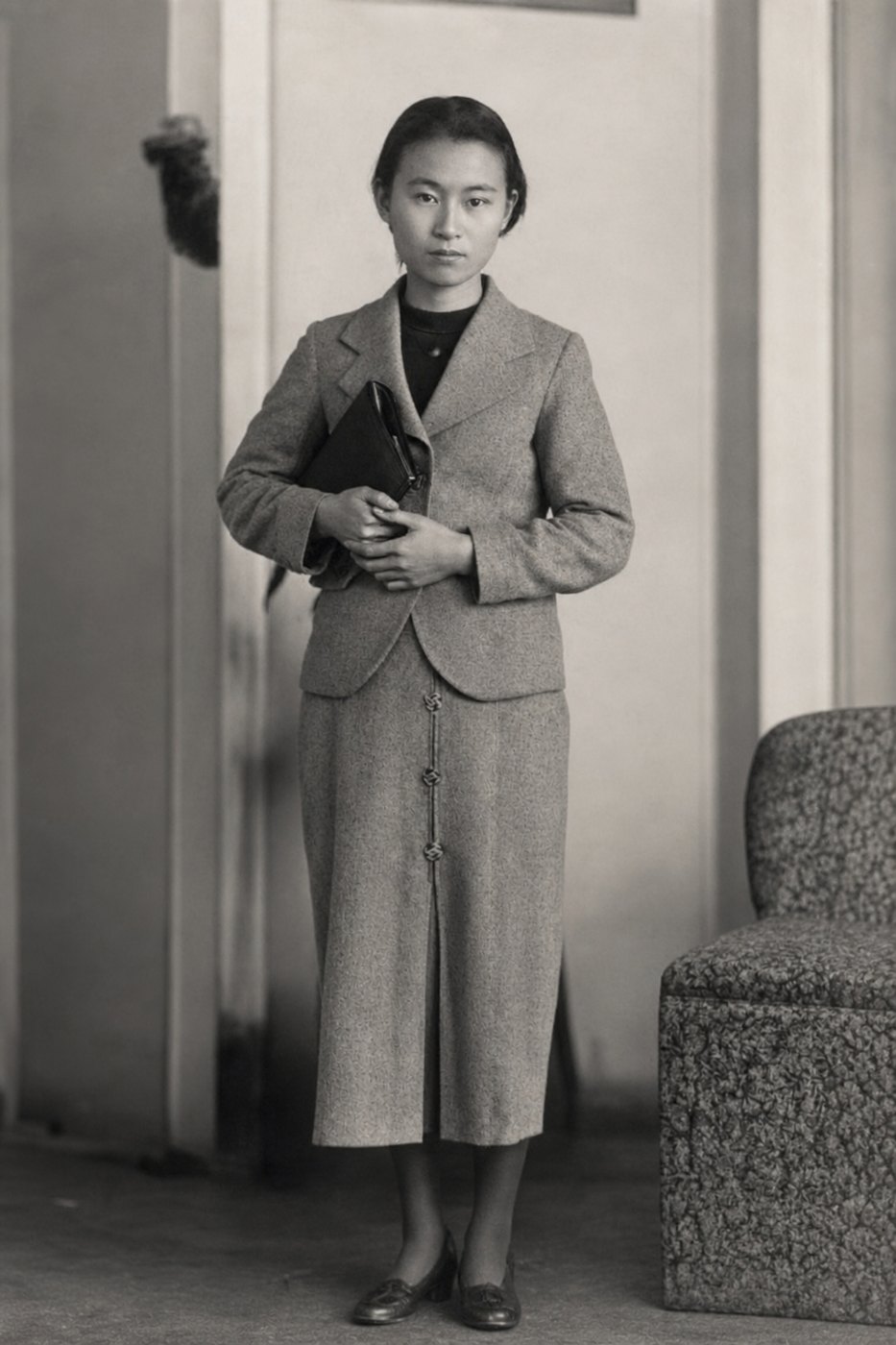
What caused it, and what to do about the rest
Light first, then warmth, then damp. The photographs still in the box are the ones you can do something about today, and negatives and slides fade the same way for the same reasons while being far easier to keep properly. The guide below is what to do with the ones you have not lost yet.
Questions about this sort of damage
- Will you colourise a black-and-white photograph?
- No. Every colour in a colourised print is a guess about somebody we never met, and guessing is the one thing this business is built not to do. We mend the damage and leave the photograph as the kind of photograph it is.
- Mine is faded and stained together. Which page applies?
- Either of them. The mend looks at the whole photograph, and the tap you choose only says which fault to lead with, so a print with both is seen to in a single pass.
- Will the colours be the right ones?
- They will be plausible rather than certain. Where a dye has gone entirely its exact value cannot be known, so we work towards the tones the film and paper of that period actually produced.
Try it on yours
One photograph, mended, free, with no card. Send this exact sort of damage and see the result before spending anything.
Mend one photograph, freeIf it doesn't look like the person you remember, you don't pay.