Mend a water-damaged photograph
Damp signs its work three times over. There is the tide mark where the wet edge dried, the bloom in the middle where the dyes travelled, and the brown or violet discolouration that turns up months afterwards as the paper itself gives way.
Then there is cockling, the ripple a soaked print dries into. Scan a cockled photograph and you scan its shadows too, and those shadows are damage rather than shape.
Burst pipes, loft leaks and the cupboard under the stairs account for most of what we see, and it is also the damage that responds best of any on this list.
What fills a gap in a damaged photograph is our best guess, not what was there.
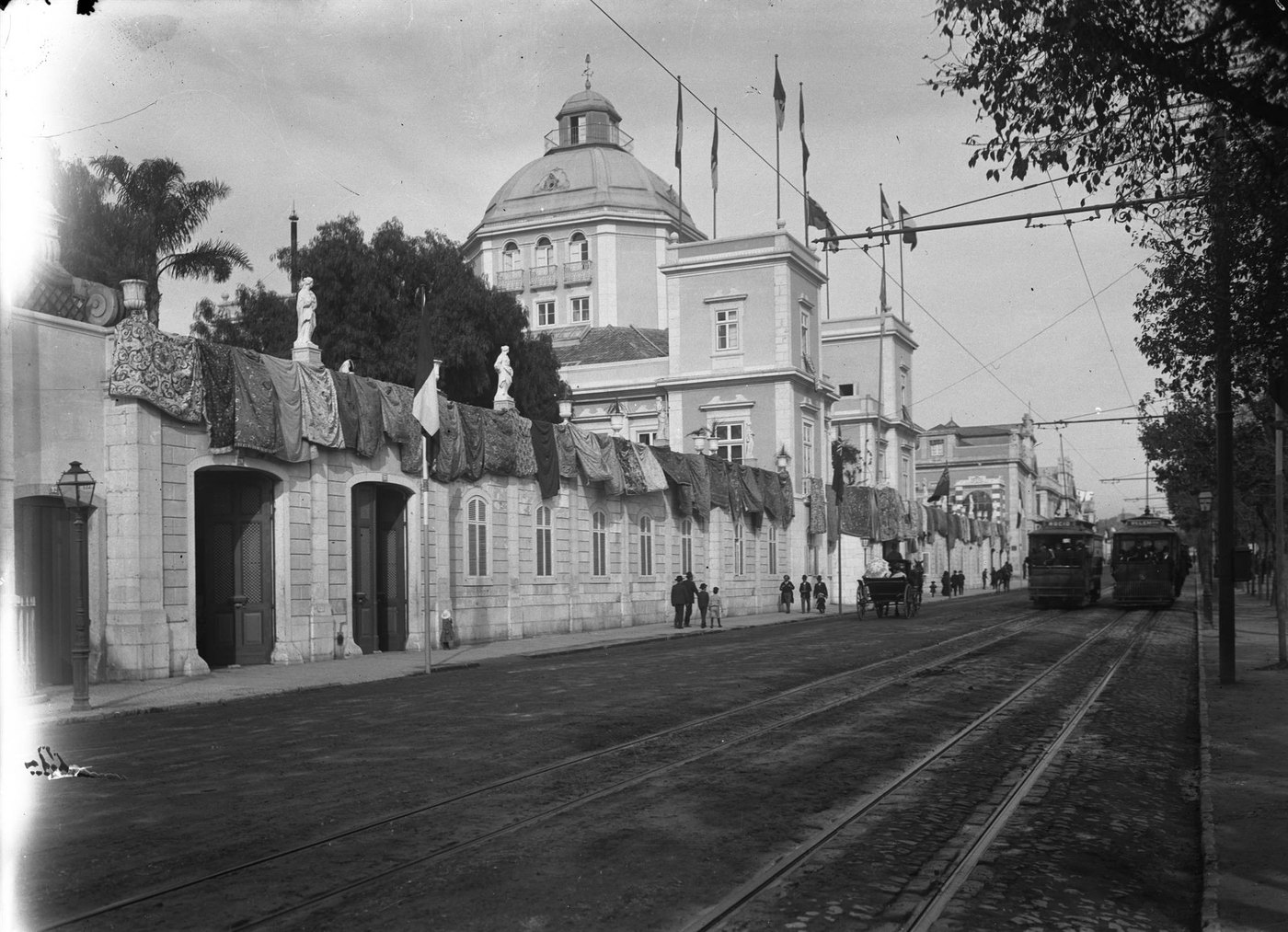
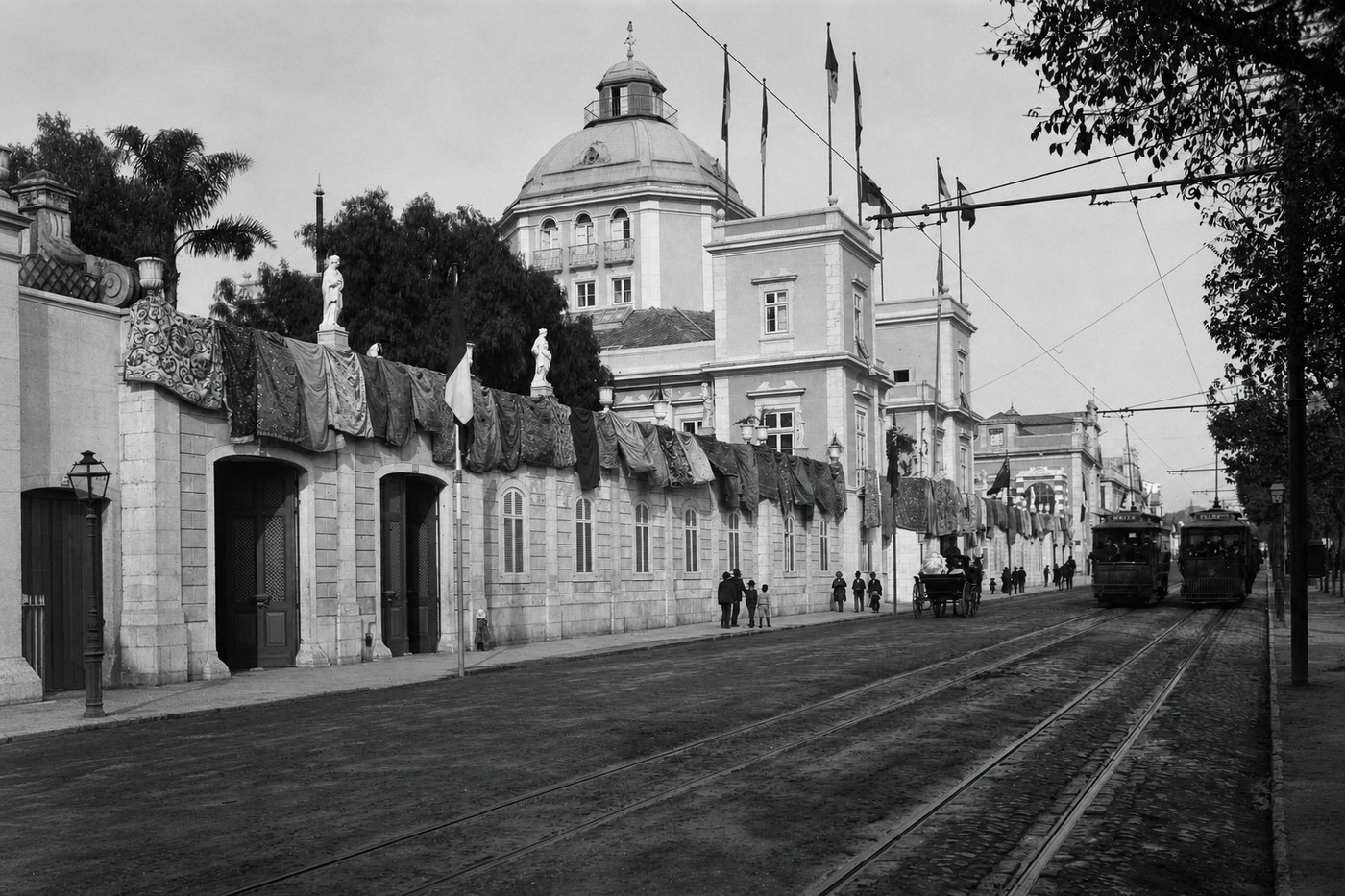
What comes back
- Tide marks, down to the faint outer halo where the stain thins into clean paper — usually the part left behind by everything else.
- Blooms and rings across the middle of a print, and the patchy density they leave.
- The brown and violet cast of paper that stayed damp, and the flat grey of one that dried too slowly.
- Ripple shadows, so a cockled print reads flat on the page again.
What never comes back
- Emulsion that washed off. Where the picture layer has gone down to bare paper there is nothing underneath, and the area is filled from what borders it — sound over water, sky and snow, invention over anything else.
- Two prints that dried face to face and tore one another apart on separation. What is now stuck to the back of the other print is not recovered; its shape is filled in.
- The mould that arrived afterwards. That is a separate job with its own page and its own limits.
What fills a gap in a damaged photograph is our best guess, not what was there.
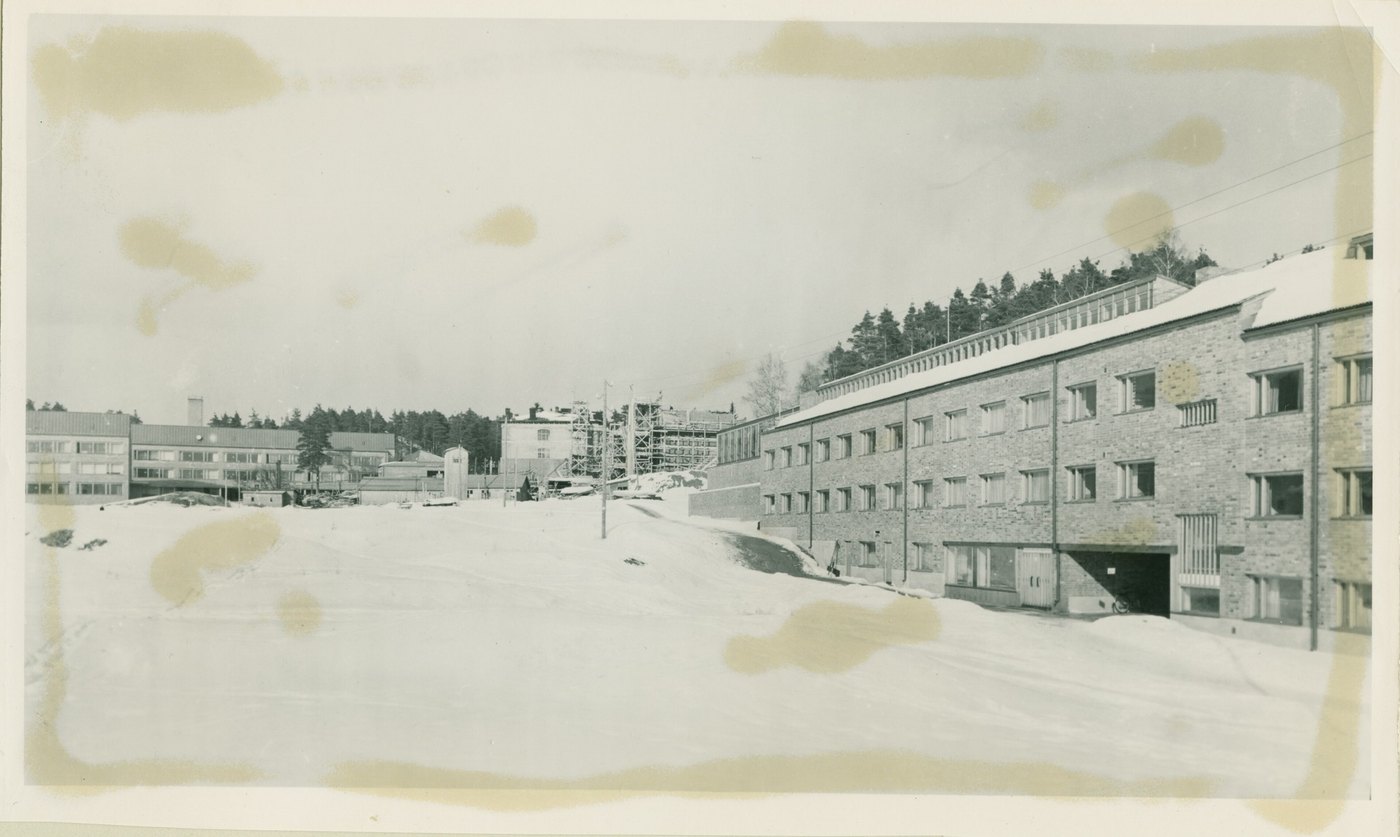
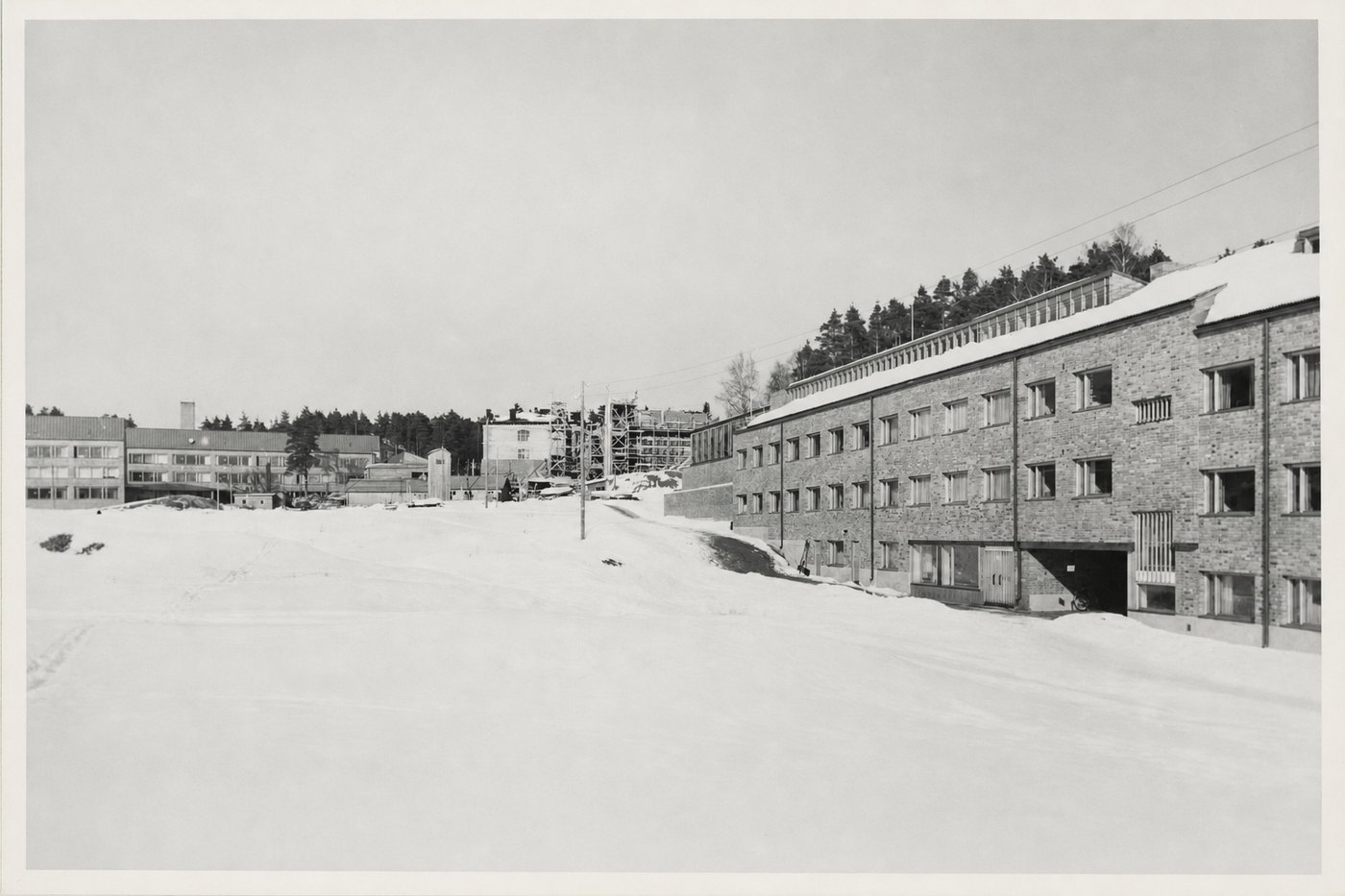
Three of these, mended
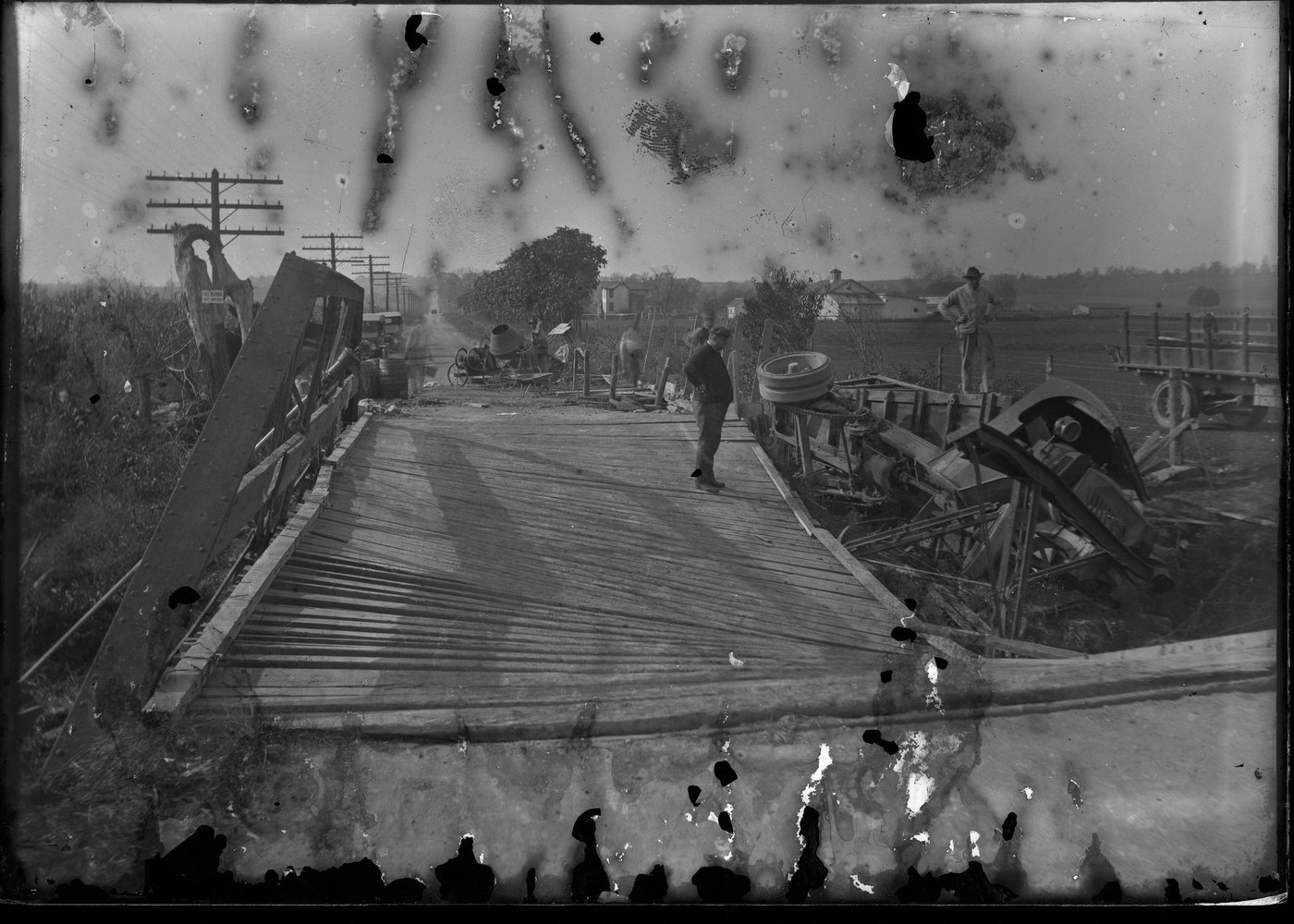
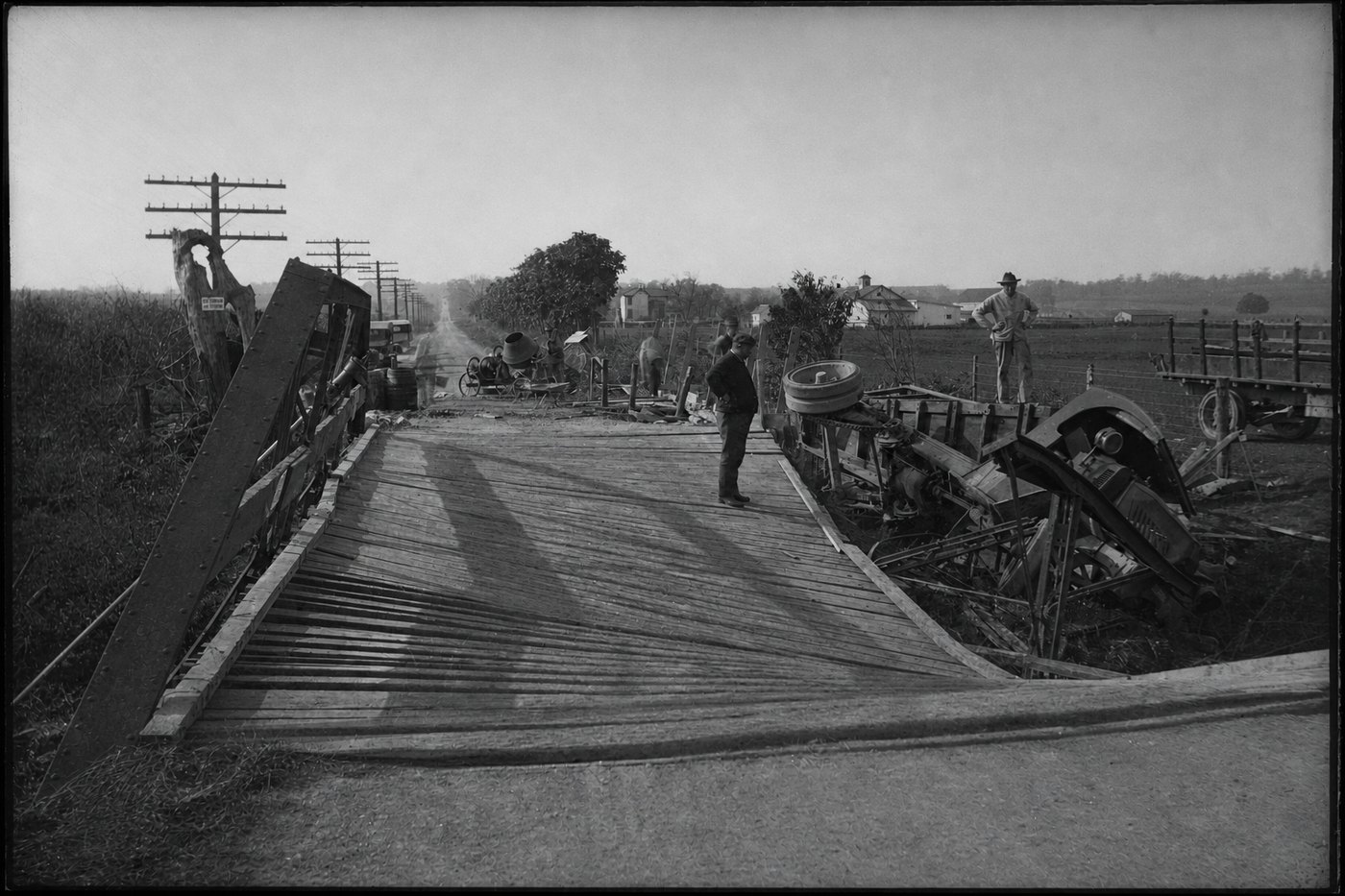
If it is still wet
Do not stack them and do not put them on a radiator. Lay each one face up on a dry towel at room temperature, out of the sun, and give them time. Prints that have dried into a block go into a bowl of cool water rather than being prised apart. Once they are dry, scan them; the guide below covers the handling.
Questions about this sort of damage
- They dried stuck together in a lump. Is that the end of them?
- Very often not. A soak in cool water lets a surprising number separate of their own accord, and anything that comes away whole is worth scanning straight afterwards.
- Everything has gone pink. Is that the damp?
- In part. Damp hurries along the dye fading that colour prints suffer anyway, so a soaked print is usually shifted as well as marked. Both are seen to in one go.
- It has dried in ripples and will not sit flat.
- Scan it rippled, with the lid resting rather than pressing down. Forcing a cockled print flat is how it cracks, and the shadows come out in the mending anyway.
Try it on yours
One photograph, mended, free, with no card. Send this exact sort of damage and see the result before spending anything.
Mend one photograph, freeIf it doesn't look like the person you remember, you don't pay.