Mend a torn photograph
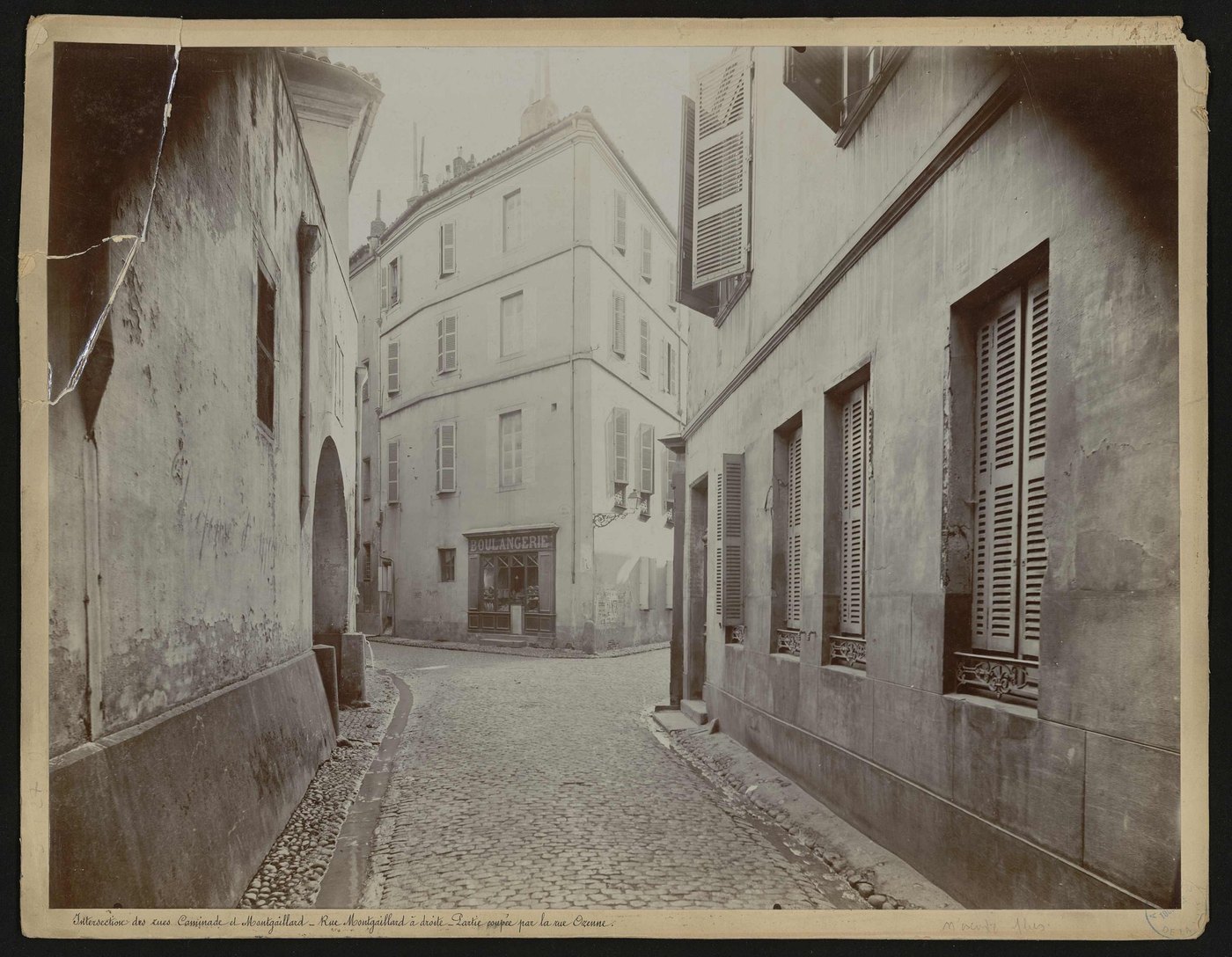
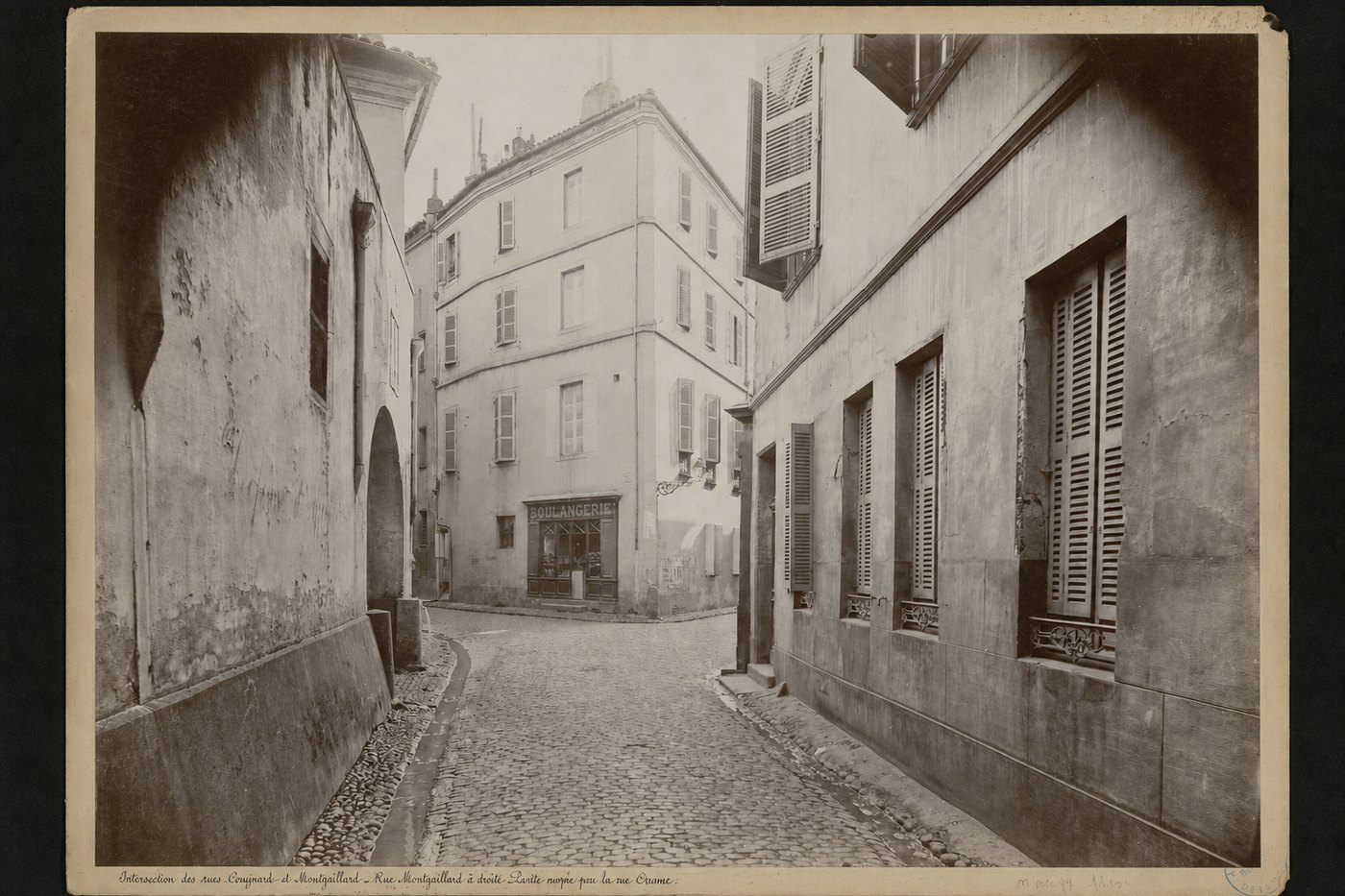
Every tear costs you twice. The two halves no longer meet, and a hairline of the picture went to dust as the paper gave — which is why a tear that has simply been pushed back together still reads as a scar.
Sellotape is the usual second injury. It lifts the surface whenever anyone tries to remove it, and the adhesive works its way through the paper as a brown bar over ten years or so. A great many British albums have one.
You send a scan and keep the print, in however many pieces it is currently in. That matters more here than the price does: the alternative on offer locally is a padded envelope and a fortnight of hoping.
What fills a gap in a damaged photograph is our best guess, not what was there.
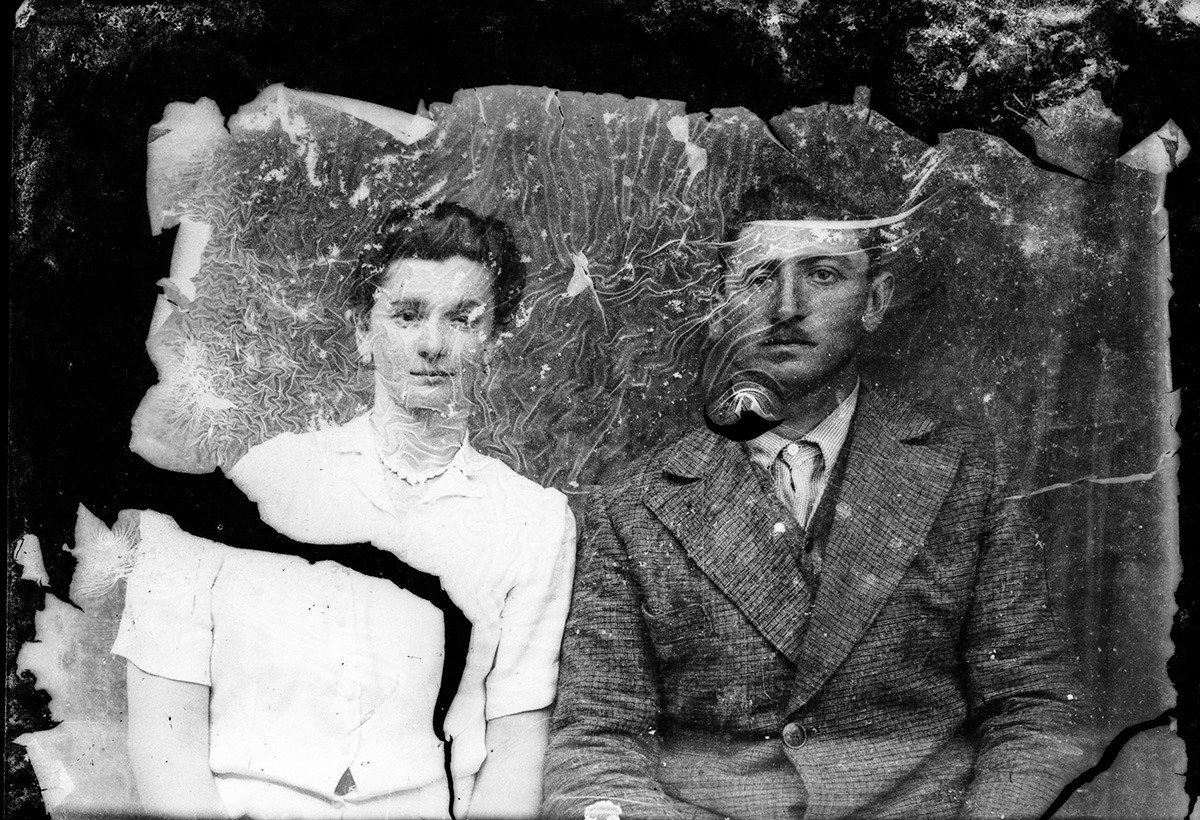
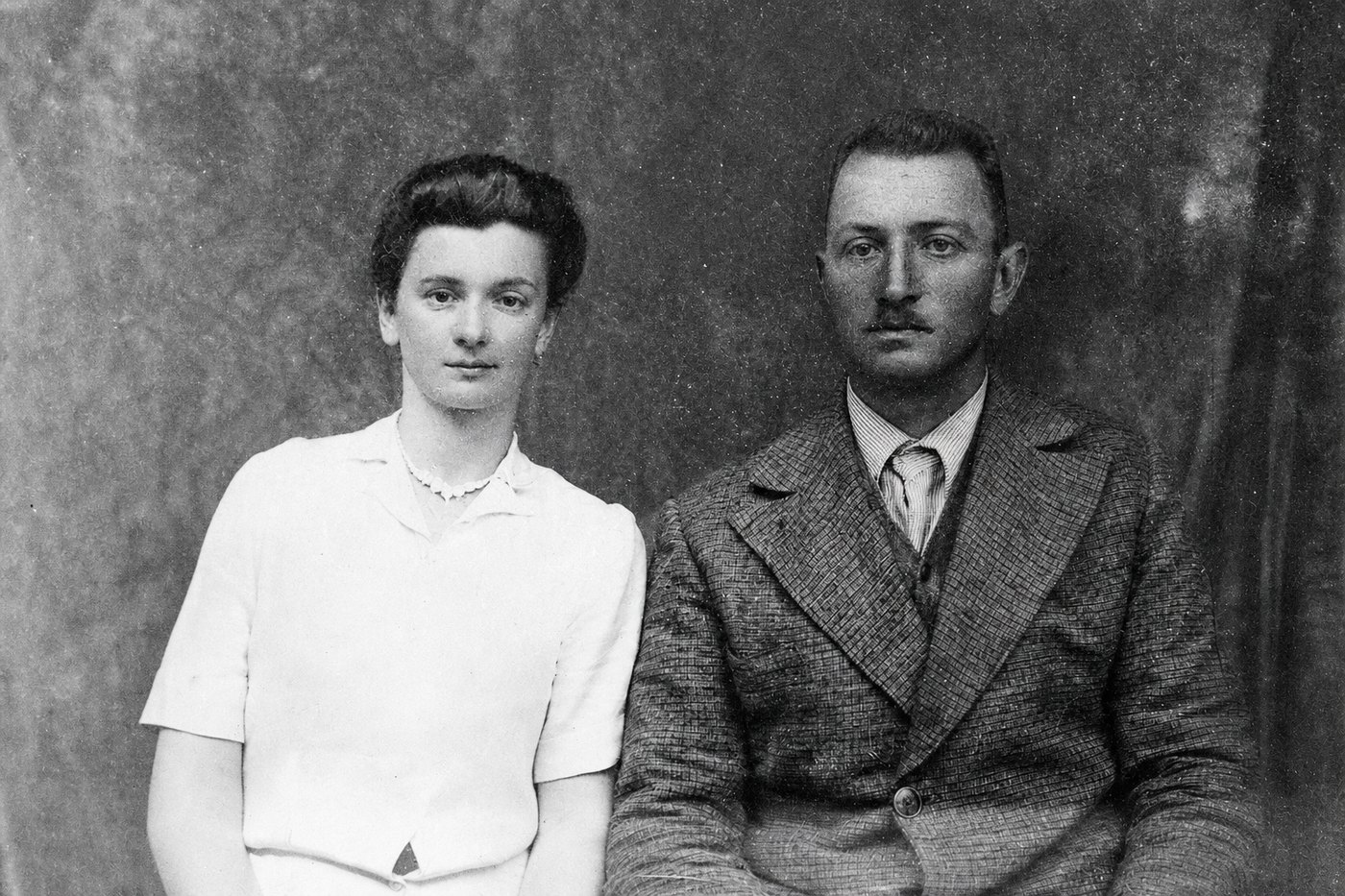
What comes back
- The seam itself, closed until there is no line, no ridge and no lightened edge where the halves meet.
- The lost hairline along the split, rebuilt by carrying the grain, focus and tone of the paper either side across it.
- Tears running through a face, a hand or a patterned frock — the ones the free websites turn to soup.
- Sellotape, and the brown bar it has been quietly leaving behind since the seventies.
What never comes back
- A fragment you no longer have. Put whatever survives on the scanner regardless, because the gap is filled either way and the filling is only as good as what borders it.
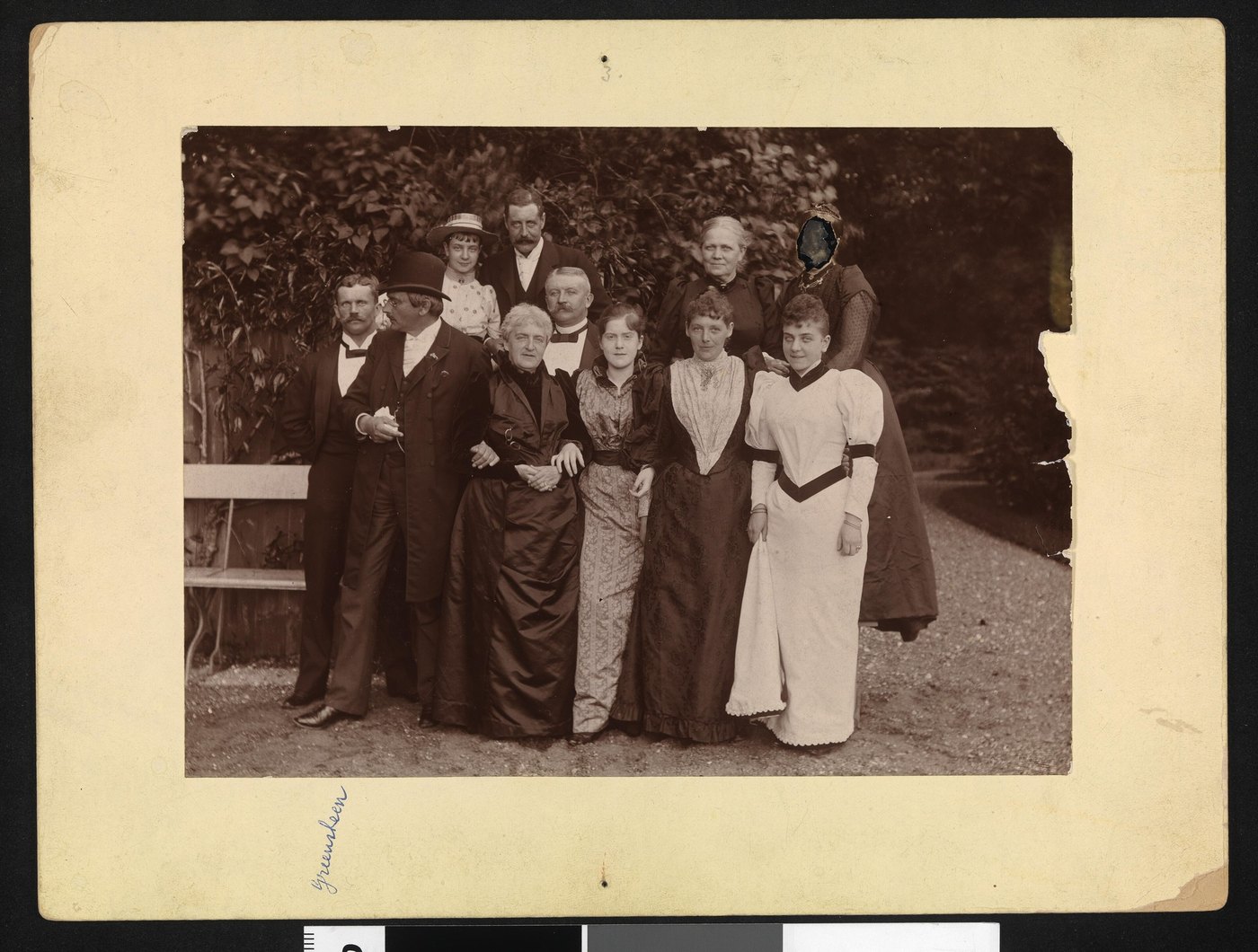
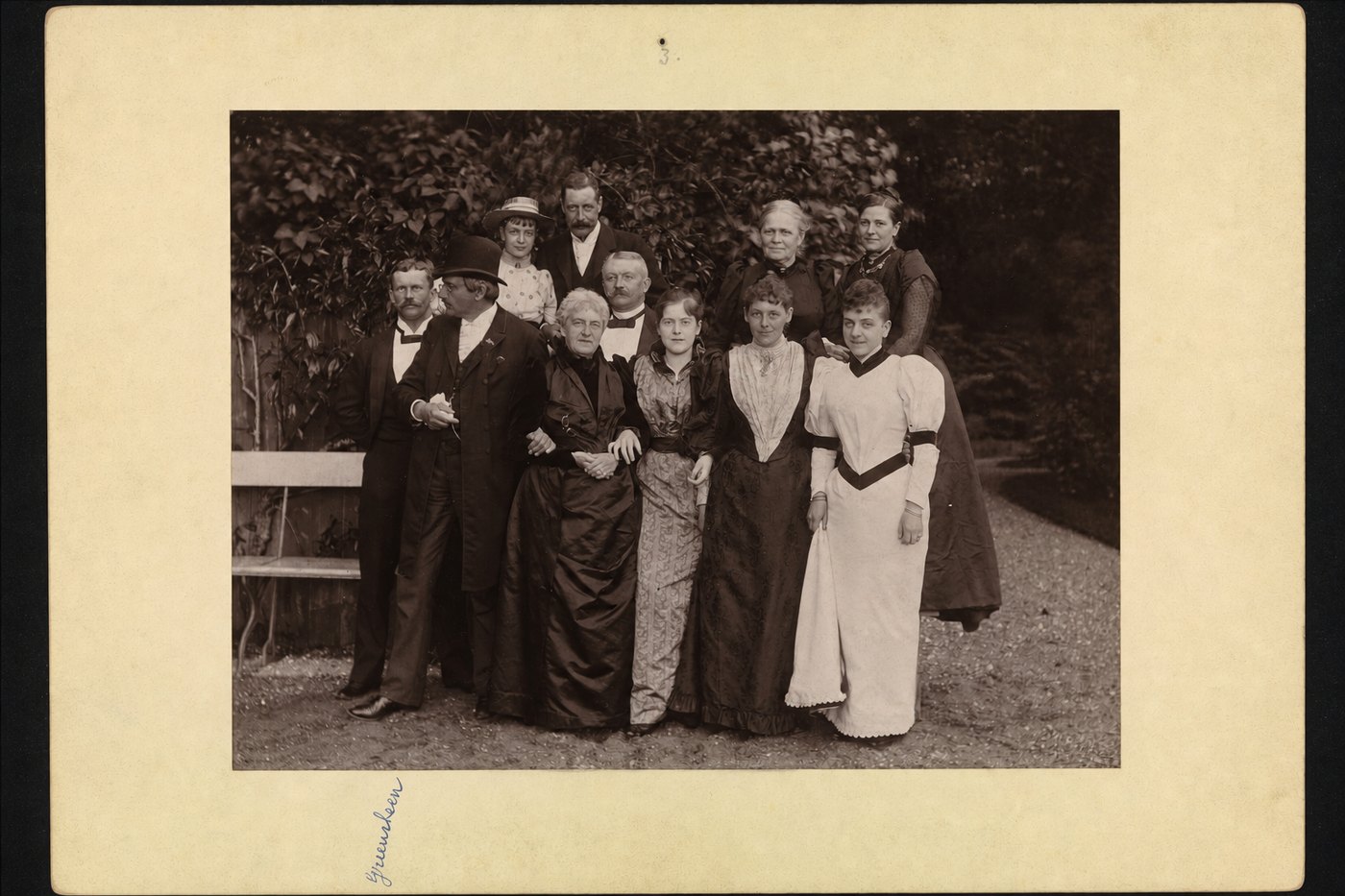
- A face that tore away completely. A face comes back in its place, and it is not hers. Nothing we say to the mend keeps it out of there, and we would rather tell you that on this page than after you had paid.
- Which inch of the print is on which side of the line. We can give you the rule — covered by the damage, or destroyed by it — but not where it runs on yours.
What fills a gap in a damaged photograph is our best guess, not what was there.
Three of these, mended
Before it goes near the scanner
No tape, no glue and no repositioning by hand. Set the pieces on the platen where they belong, lay a sheet of plain paper over the back of them and let the lid come down under its own weight. A print that has gone brittle along the tear wants the method in the guide below, which is written for exactly this.
Questions about this sort of damage
- It is in two halves. One scan or two?
- One. Lay both halves down together, roughly where they belong, and scan the lot in a single pass — the alignment is half the information we work from, and two separate scans throw it away.
- Ought I to peel the tape off first?
- Please do not. Old tape takes emulsion with it, and that loss is permanent in a way the staining is not. Send it exactly as it is.
- Do I have to post you the original?
- Never. Nothing physical is sent anywhere. You scan it or photograph it at home, and the print stays in the drawer it came out of.
Try it on yours
One photograph, mended, free, with no card. Send this exact sort of damage and see the result before spending anything.
Mend one photograph, freeIf it doesn't look like the person you remember, you don't pay.