Repair a creased photograph
A crease is a shadow and a break. The fold itself catches light along one edge and holds a dark valley along the other, and where the paper has been bent hard the emulsion has cracked along the line and lost a thread of the picture.
Wallet photographs get the worst of it: one crease from being folded, four soft corners from being carried, and a general polish across the middle from thirty years against a lining.
Flattening the print under books helps the paper and does nothing about the crack, which is the part that shows in a scan.
What fills a gap in a damaged photograph is our best guess, not what was there.
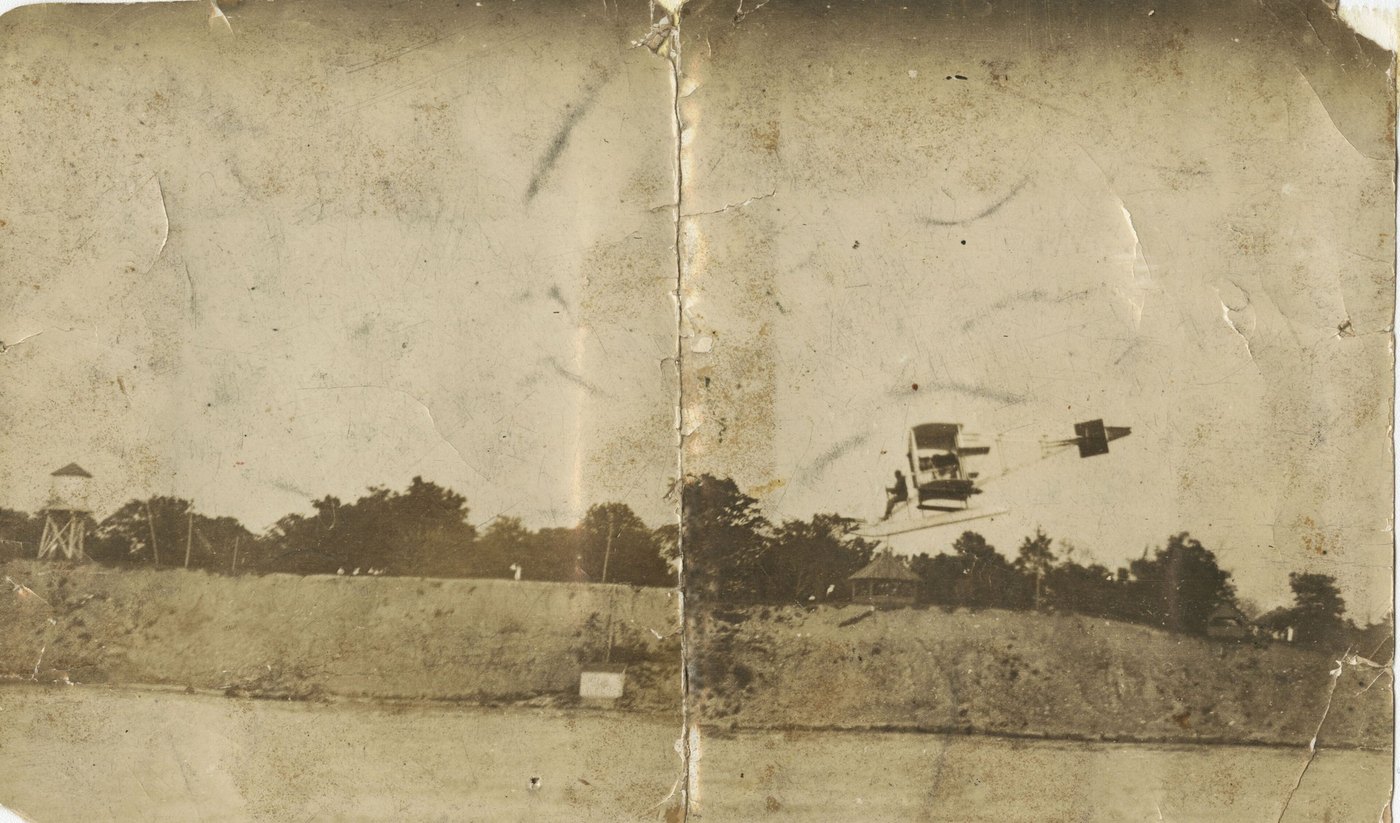
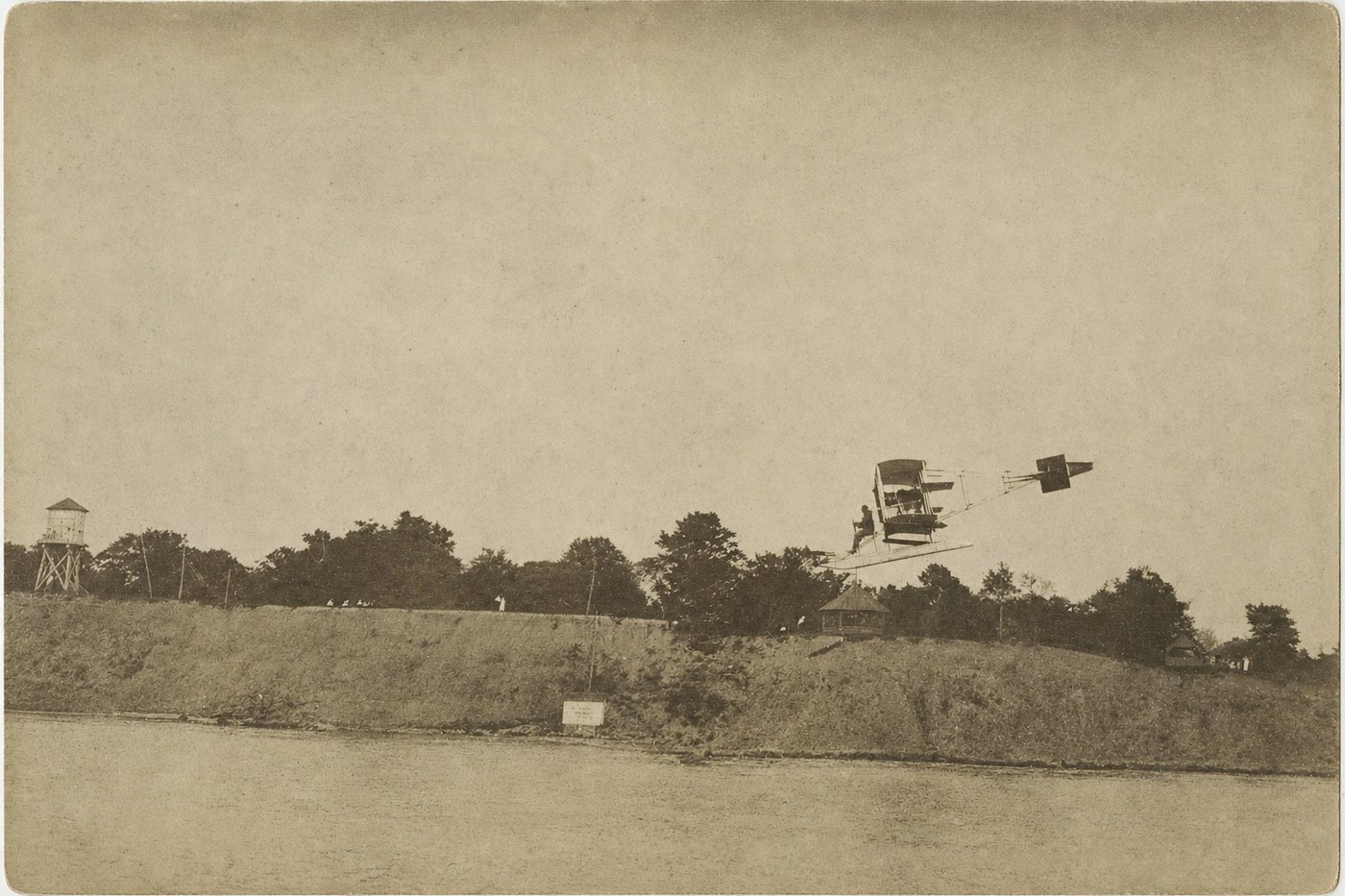
What comes back
- The pale ridge and dark valley of a fold, taken back to continuous tone.
- Cracked emulsion along a hard crease, filled by carrying the detail from either side across the break.
- The soft bowing of tone on either side of a fold, which is what makes a repaired crease still visible when it is only half done.
- Rounded, rubbed corners and the general surface polish of a photograph that lived in a wallet.
What does not come back
- A crease that has torn through. Once the fold becomes a split it is a tear, which is repaired too — on its own page, with its own limits.
- A face split by a hard crease where the emulsion along the line is gone rather than cracked. What crosses the gap is a guess about a face, made from the halves either side of it.
- Making the paper flat. We repair the scan; the print stays as creased as it was.
What fills a gap in a damaged photograph is our best guess, not what was there.
Three of these, repaired
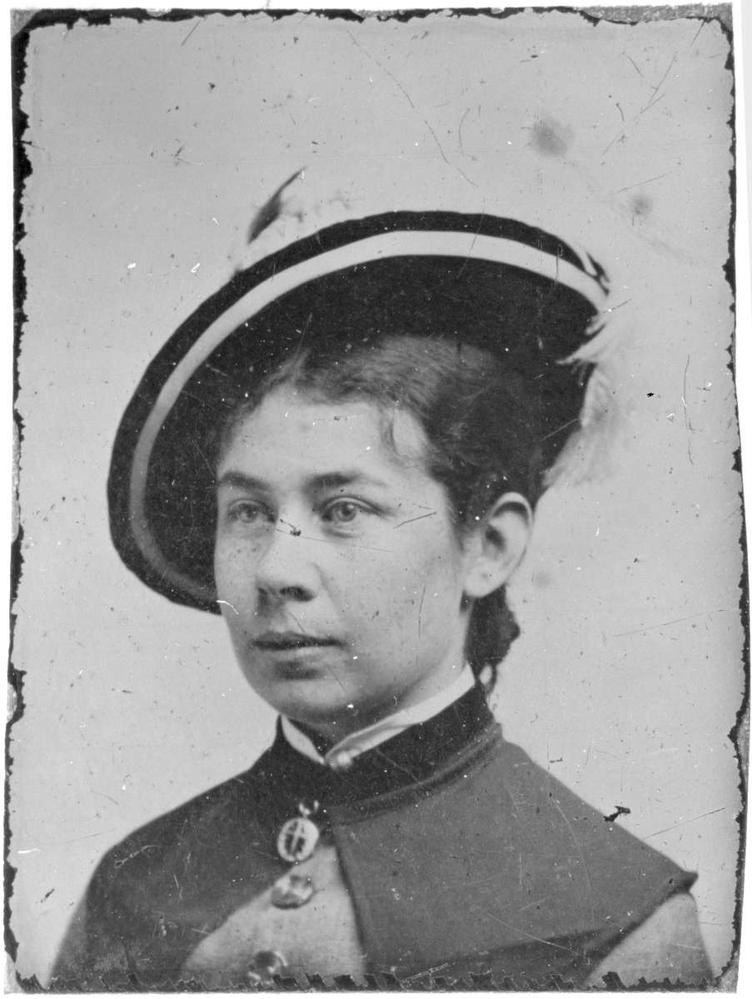
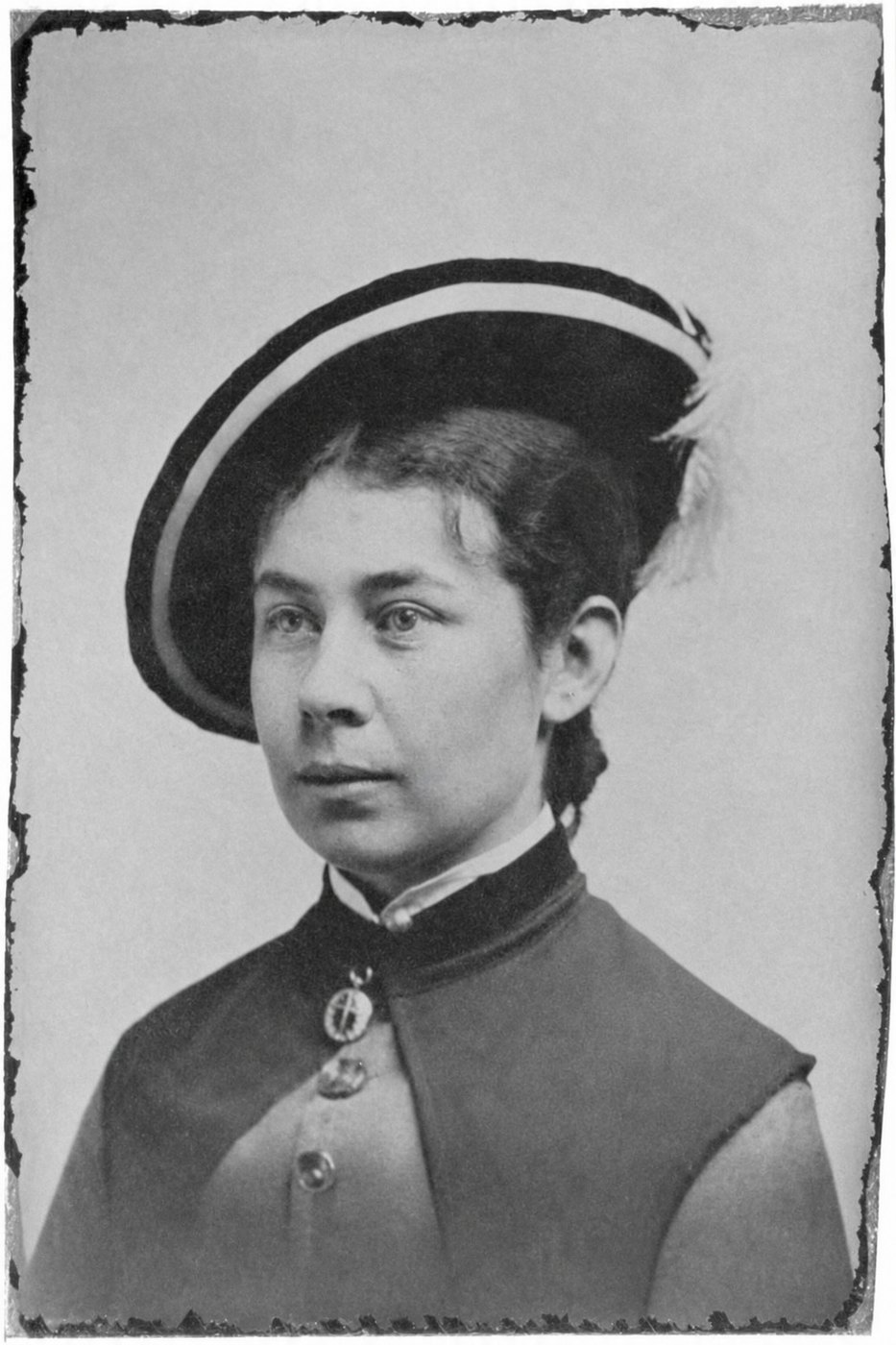
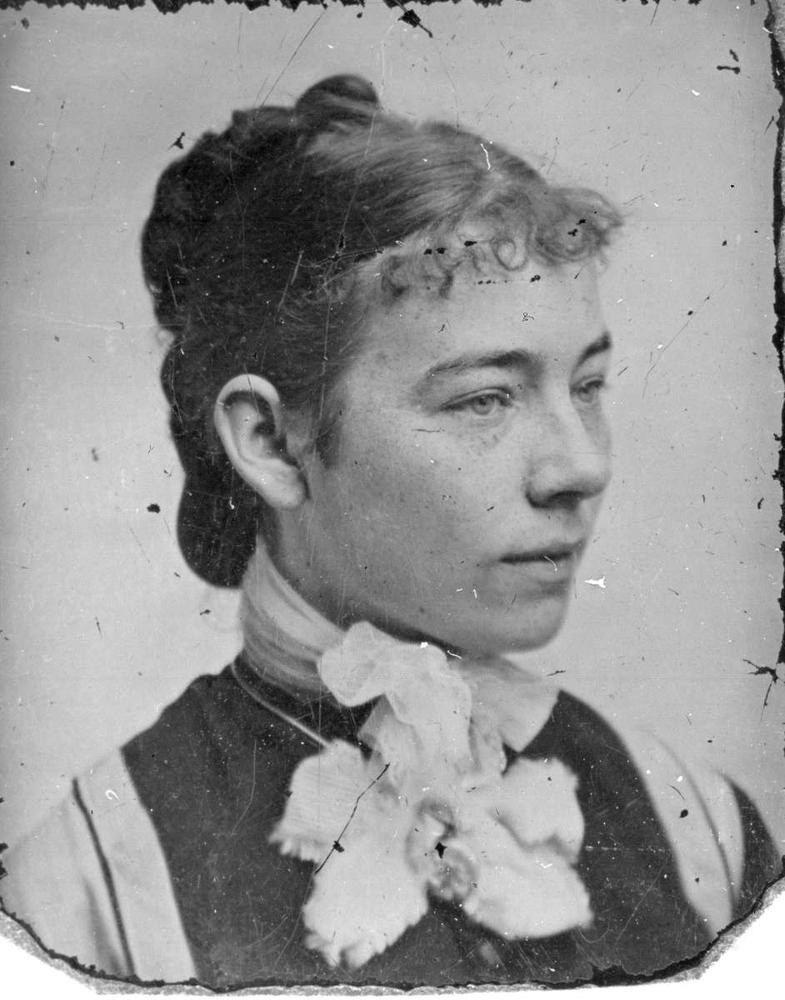

Before you flatten it
A creased print can be relaxed under weight, slowly, between clean sheets of paper — but a brittle one cracks further the moment it is pressed, and a photograph with cracked emulsion loses flakes every time it moves. Scan it first, then decide. The guide below covers how to tell brittle from merely bent.
Questions about this kind of damage
- Should I flatten it before scanning?
- Only if it lies down easily. Weight applied slowly over days is safe on a supple print and destructive on a dry one. The scan costs nothing and can be taken today.
- The crease goes right through a face.
- That is the case this is built for. Where the emulsion is cracked rather than gone, the detail on both sides genuinely carries across it. Where it is gone, the cheekbone that arrives is invented from the two halves, so look at that line at full size before you keep the file.
- Can you get rid of the rounded corners too?
- Yes, along with the surface polish and the rubbed edges. Corner wear is repaired as part of the same pass and does not need its own tap.
Try it on yours
One photograph, repaired, free, with no card. Send this exact kind of damage and see what comes back before you spend anything.
Repair one photograph, freeIf it doesn't look like the person you remember, you don't pay.