A photograph stuck to the glass of its frame
Damp gets into a frame, the gelatin softens, and the photograph dries onto the glass as if it were glued there. It is one of the few kinds of damage where the wrong first move is genuinely unrecoverable, so this page starts with the move.
Do not pull it off. The emulsion is now stronger where it has bonded than where it has not, and forcing it takes the picture off in patches and leaves them on the glass.
What you can usually do instead is scan it through the glass. That gives you the photograph as a file, today, with nothing risked — and a scan through glass has its own problems, which are the ones we repair.
What fills a gap in a damaged photograph is our best guess, not what was there.


What comes back
- Reflections, glare and the veiling haze a sheet of glass puts over a scan.
- The dust, fingerprints and fine scratches on the glass that are now in front of your photograph.
- Newton's rings — the oily rainbow patches where print and glass touch — as far as they are separable from the picture underneath.
- The damage that made it stick in the first place: staining, fading and mold around the edges.
What does not come back
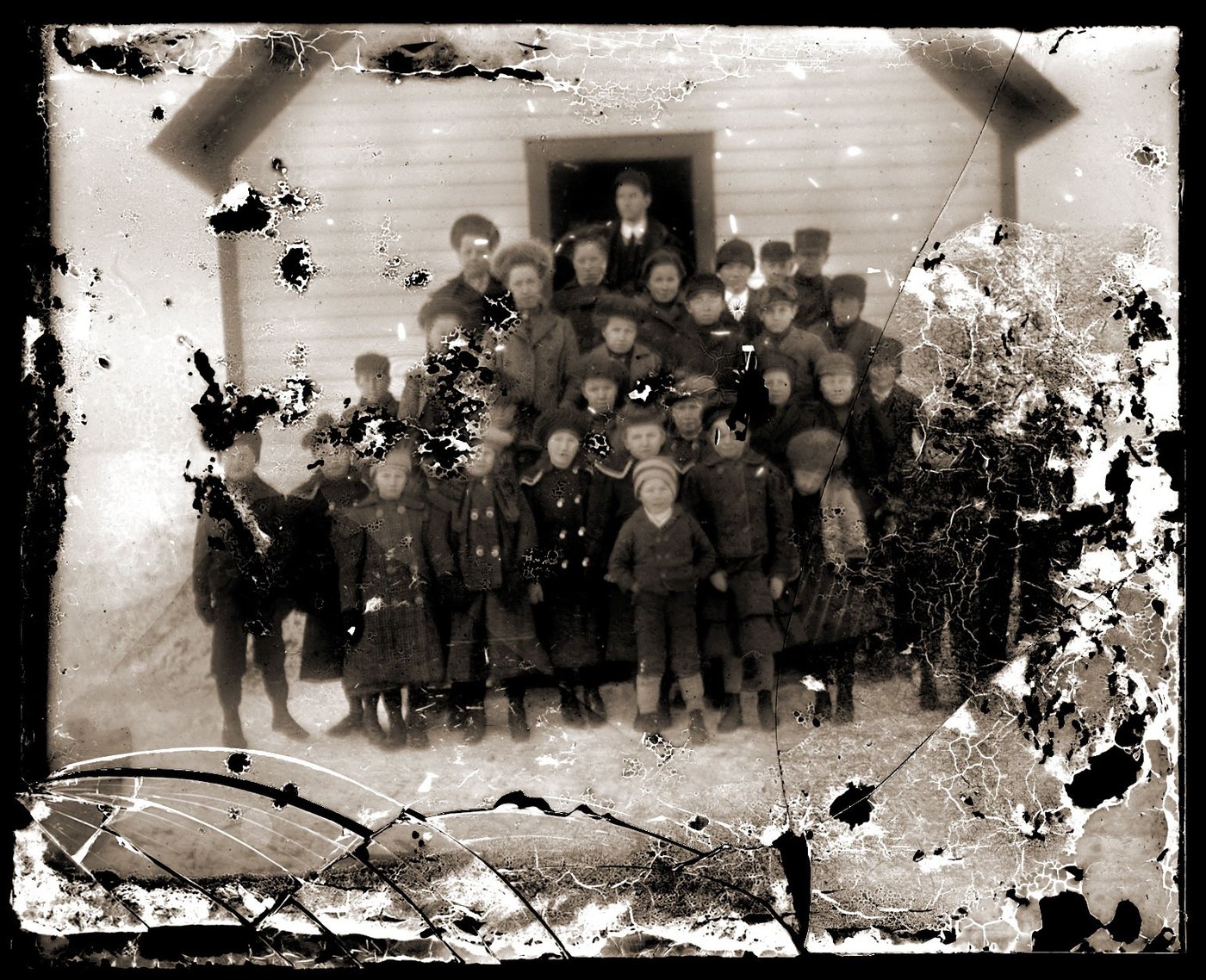
- Emulsion that stayed on the glass after somebody pulled. What is on the glass is not in the scan and is not coming back — but the patch does not come back blank either. Something plausible is put there.
- Restoring the print itself. We work from files. Separating a bonded print is a physical job for a conservator, and the guide below is honest about what that costs.
- Seeing through an area where the glass is broken and the shards have taken the surface with them. The repair will close it over, and what closes it is invented.
What fills a gap in a damaged photograph is our best guess, not what was there.
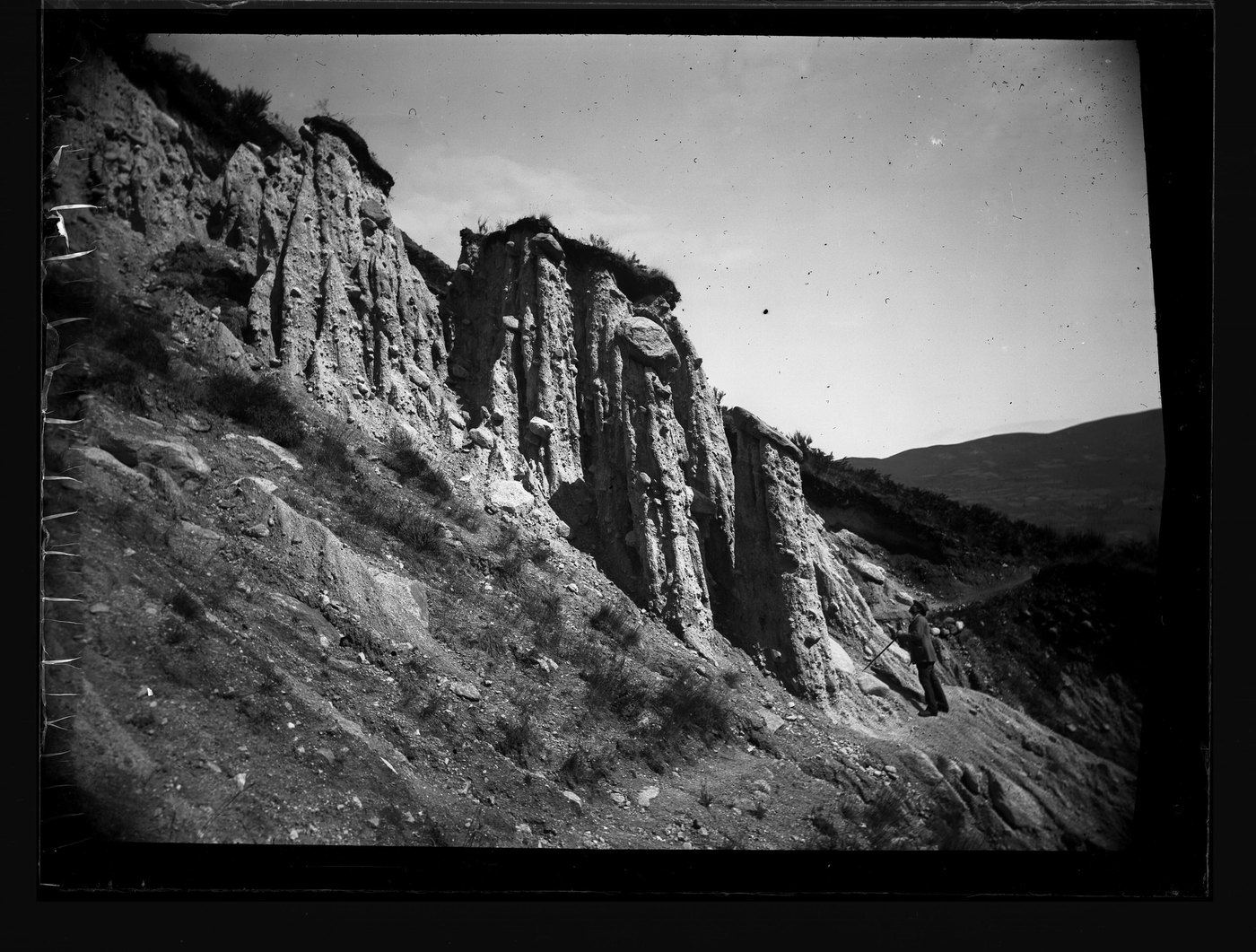
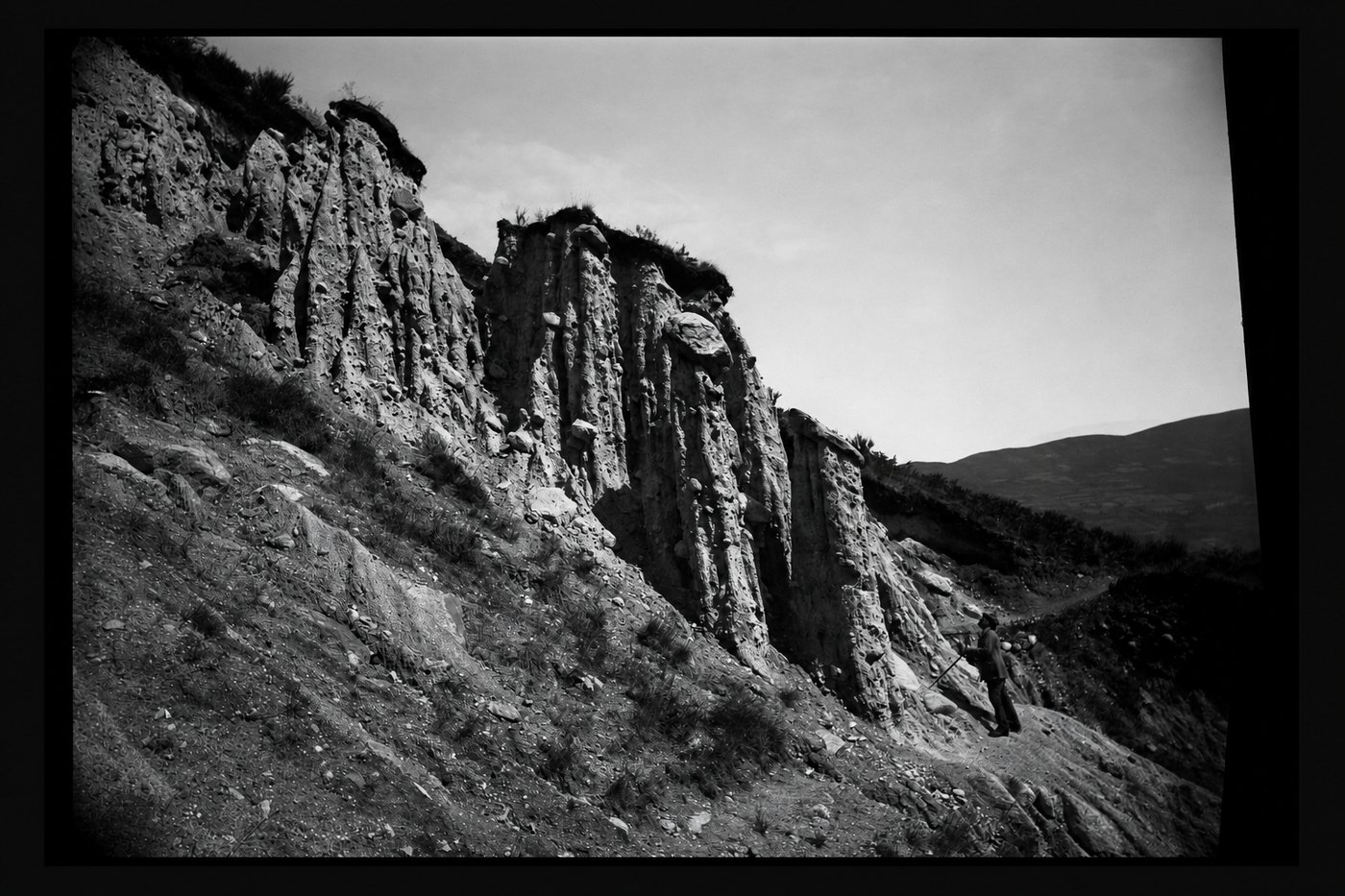
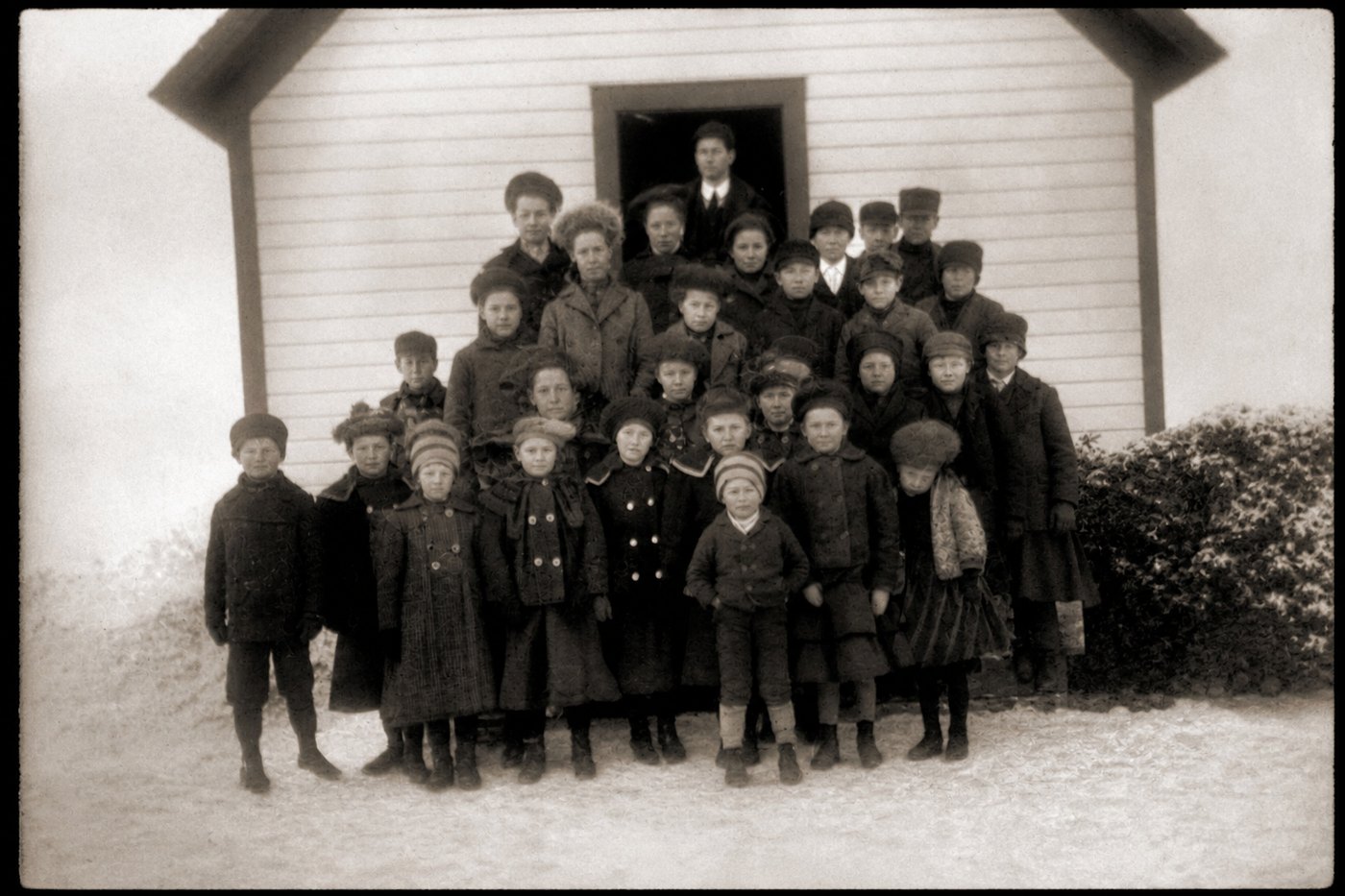
Three of these, repaired
Before you try to free it
Take the frame apart from the back, so the glass with the print on it comes out as one piece. Keep it flat and dry. Then scan it glass-down on the platen with the lid open and the room lights off, which kills most of the reflections. Soaking a bonded print is sometimes the answer and sometimes the end of it — the guide below is about when a hand restorer is the right call.
Questions about this kind of damage
- Can I soak it off?
- Sometimes, with cool water and patience, and it is a real risk with an irreplaceable print. Scan it through the glass first. Then you are deciding whether to gamble a piece of paper rather than the photograph itself.
- The scan through glass looks terrible. Is it worth sending?
- Send it and find out for nothing. Glare and haze are exactly the sort of damage that comes off well, and you will know within a few minutes rather than after paying a studio.
- Should I photograph it with my phone instead?
- It is a reasonable second option if the glass will not sit on a scanner. Flat daylight from a window, no flash, the phone parallel to the glass, and your own reflection out of the frame.
Try it on yours
One photograph, repaired, free, with no card. Send this exact kind of damage and see what comes back before you spend anything.
Repair one photograph, freeIf it doesn't look like the person you remember, you don't pay.