A photograph with pieces missing
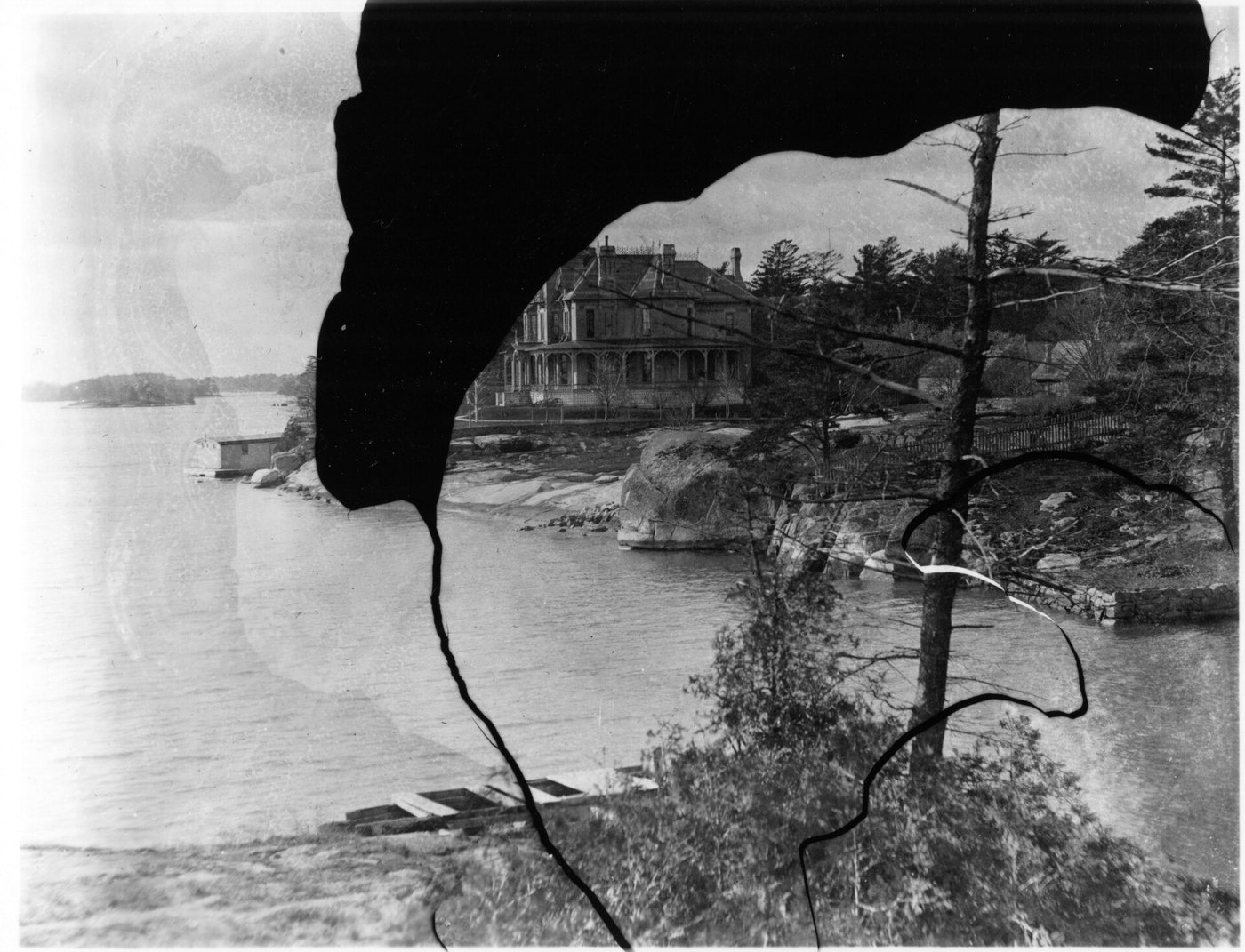
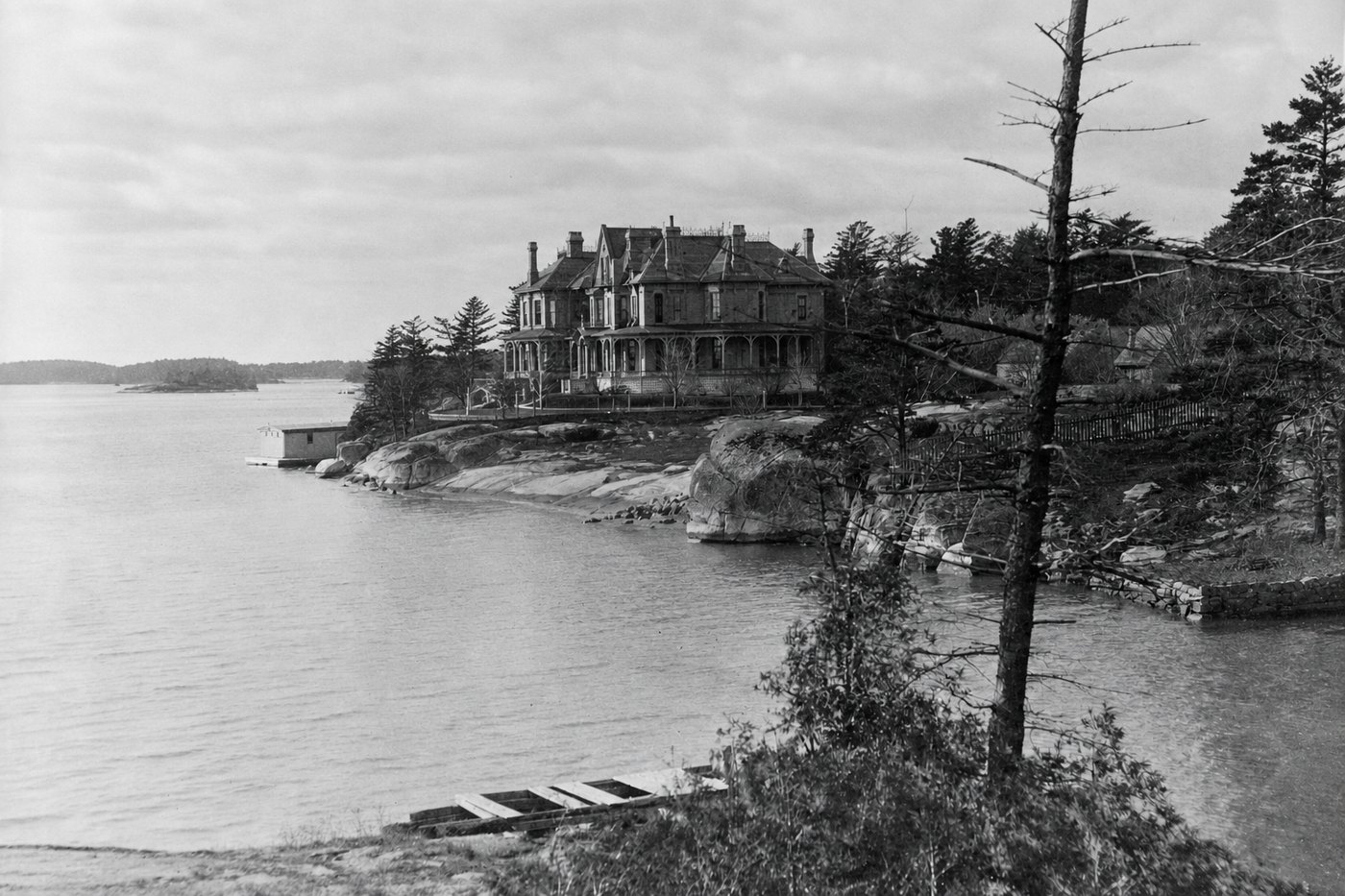
This is the page where the limits are the point. Where a piece of a photograph is gone, nothing underneath it survived, and what comes back in that space is not a recovery of it. It is whatever plausibly fits.
Over a wall, a floor, sky or a plain background, whatever plausibly fits is near enough to what was there. Over a face, a hand, a sign or a crowd, it is fiction — and it arrives at exactly the same quality as the rest of the photograph, which is what makes it dangerous.
We cannot hold the repair off the second case. We have tried, in the words we send with every photograph, and it fills the gap anyway. So this page shows it happening rather than promising it will not.
What fills a gap in a damaged photograph is our best guess, not what was there.
What comes back
- Missing corners and chewed edges, rebuilt by continuing the wall, floor, sky, foliage or plain background around them.
- Fabric, wallpaper and other patterns, where the pattern makes the answer plain.
- The ragged border of a piece that tore out, cleaned up so the eye is not caught by it.
- Everything else on the photograph, which is usually most of it and usually the reason it is worth repairing at all.
What does not come back
- A face that was completely missing. One comes back, and the person it belongs to never existed. There is no mark on the file to tell you which face that was.
- A hand, a badge, a sign or a name that is gone. Where the answer was specific rather than general, the repair supplies a specific answer, and it supplies it confidently.
- A person cut out of the photograph on purpose. The cut is filled — sometimes with the room behind them, sometimes with somebody new — and none of it is the person who was standing there.
- Anyone who was standing in a part of a group that is gone. A crowd is continued into a gap as readily as a wall is, one plausible face at a time.
What fills a gap in a damaged photograph is our best guess, not what was there.
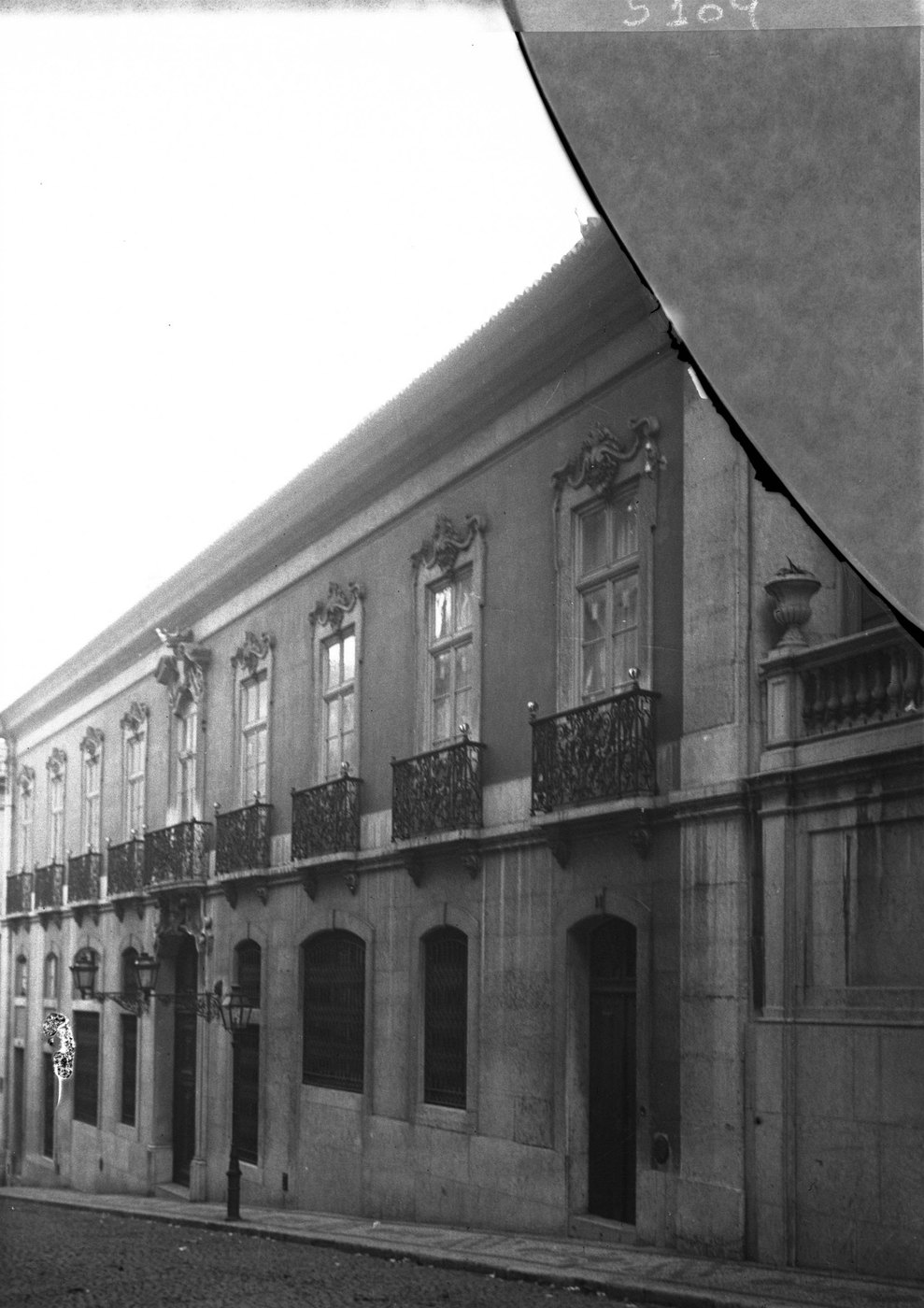
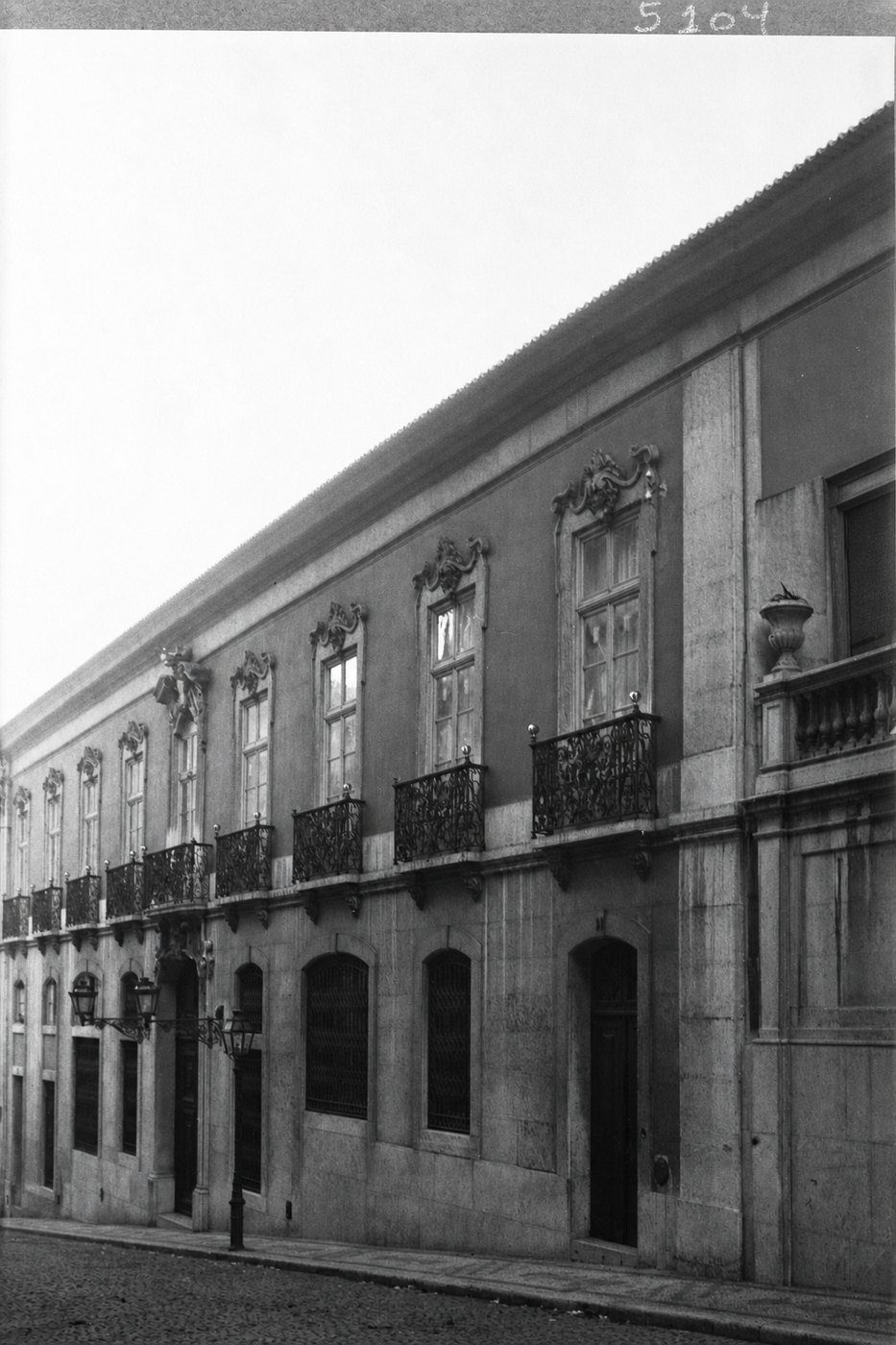
Three of these, repaired
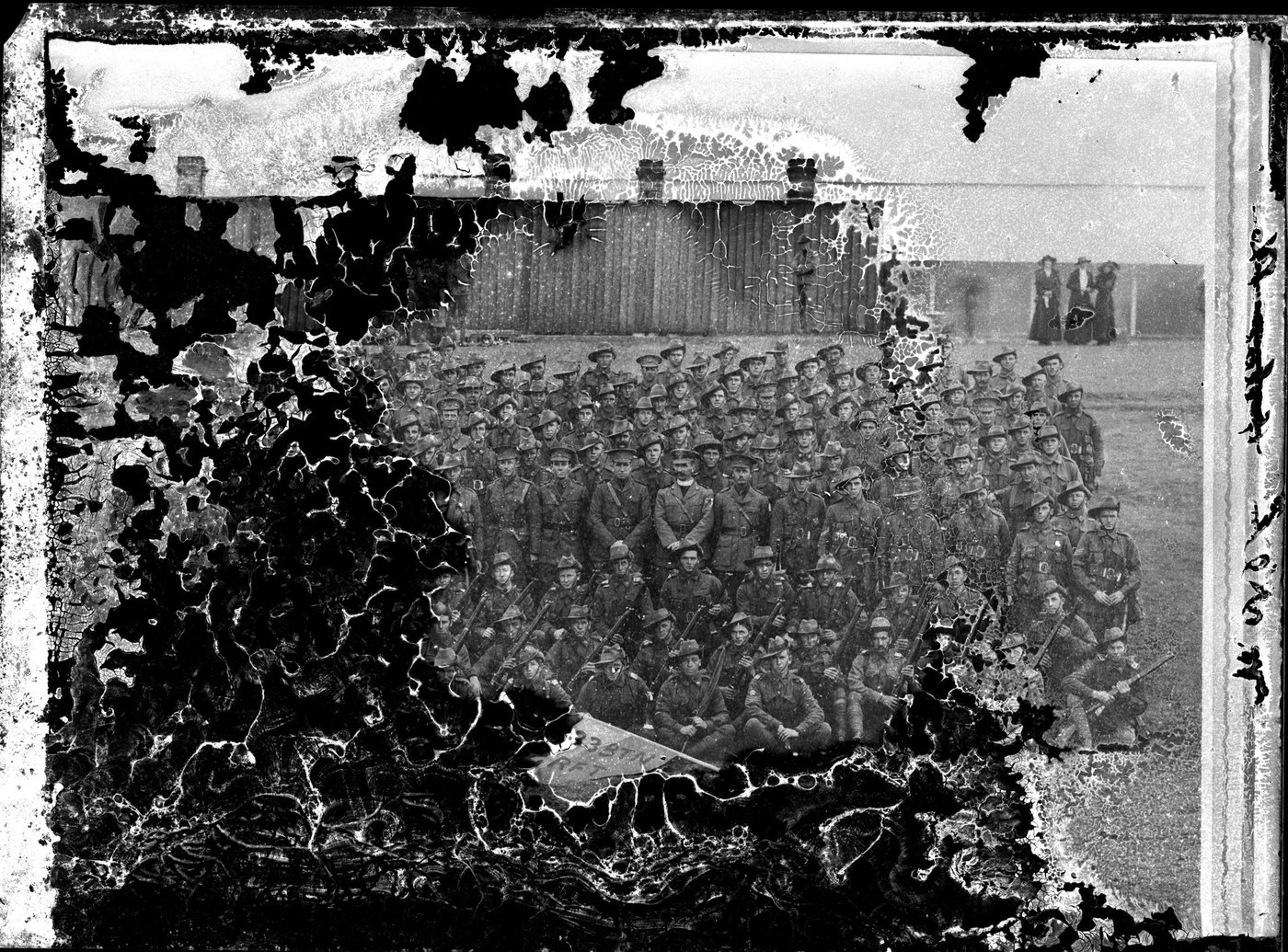
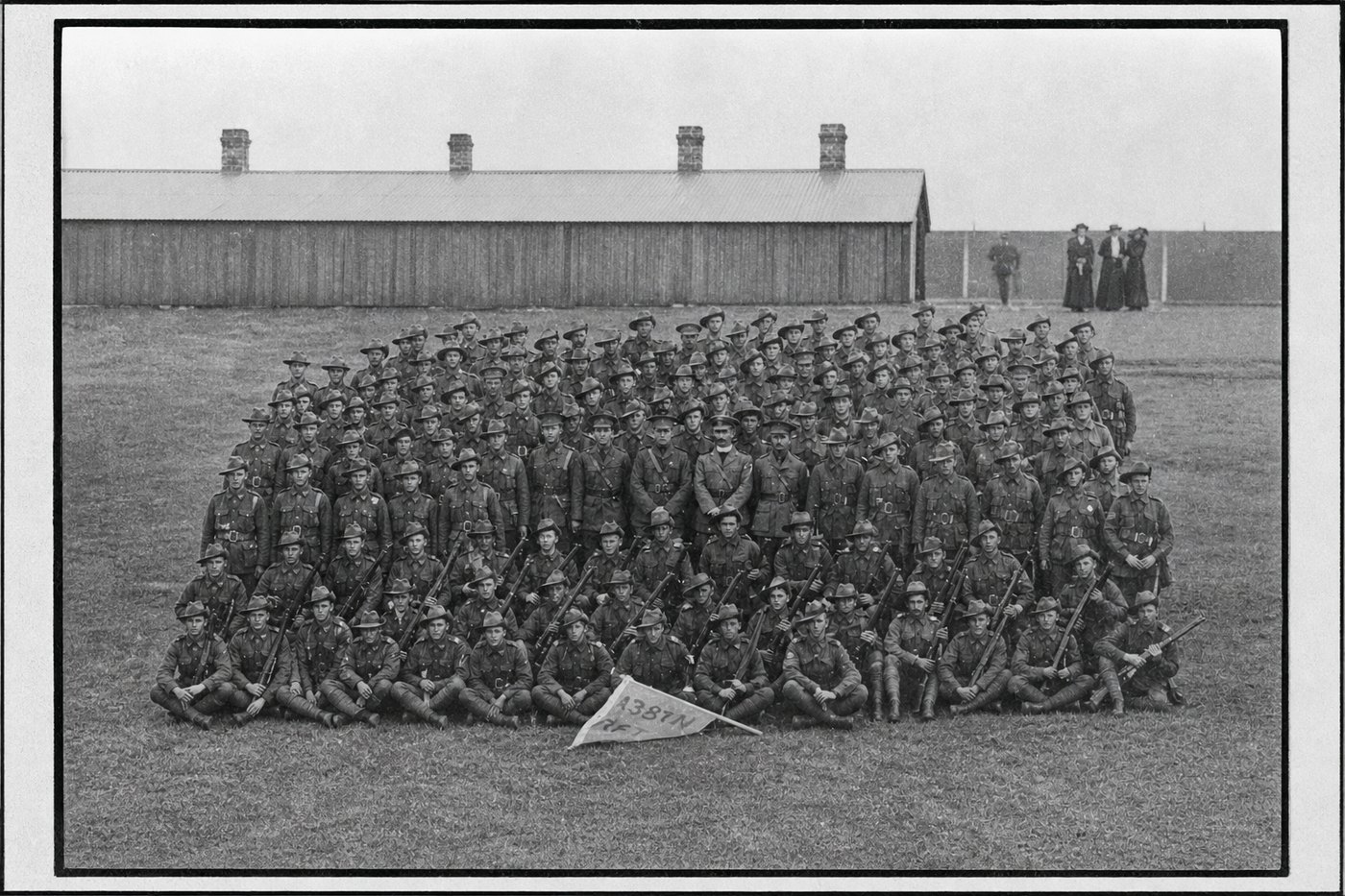
If you still have the pieces
Scan them. Even a fragment that will not sit flat holds picture information, and a fragment in the scan is a repair rather than a reconstruction. Keep them in a paper envelope rather than a plastic bag, and do not glue anything down. The guide below is about the point at which a hand restorer is worth the money.
Questions about this kind of damage
- Can you rebuild a missing face from another photograph of the same person?
- We never look at a second photograph, and that is not the reassurance it sounds like. What fills a missing face comes from nowhere at all — not from another likeness, not from the family, not from anything that was ever in front of a camera.
- How much of it is really recoverable?
- Recovered and filled are two different questions. A missing corner of sky is filled with sky, and calling that a recovery is fair enough. A missing shoulder is usually fair too. A face, a hand or writing is filled with an answer nobody has, and it is filled just as neatly.
- Why not leave the gap blank instead?
- We asked for exactly that, in the instructions that go out with every photograph, and it did not hold. The repair closes a hole the way it closes a scratch. So the honest thing left to do is to say which parts of your own photograph to distrust, which is what this page is.
- How do I tell the invented part from the rest?
- Put the repair beside the photograph you sent, at full size, and mark where the damage was. Whatever now stands inside those edges came from us. It is worth doing once on a photograph you know well, so you know what you are looking for on the ones you do not.
Try it on yours
One photograph, repaired, free, with no card. Send this exact kind of damage and see what comes back before you spend anything.
Repair one photograph, freeIf it doesn't look like the person you remember, you don't pay.