Repair a faded photograph
Fading is not one thing either. A color print from the seventies fades unevenly — the cyan dye goes first, which is why the whole photograph drifts orange and the shadows drift red. A black-and-white print does not lose color it never had; it loses contrast, and the paper yellows around it.
Sunlight does most of it. A photograph that hung on a wall facing a window for thirty years has had thirty years of it, and the part behind the mount usually proves it.
The repair is a judgement, not a slider. Skin has to come back as skin rather than as a suntan, and a photograph from 1968 has to look like 1968.
What fills a gap in a damaged photograph is our best guess, not what was there.
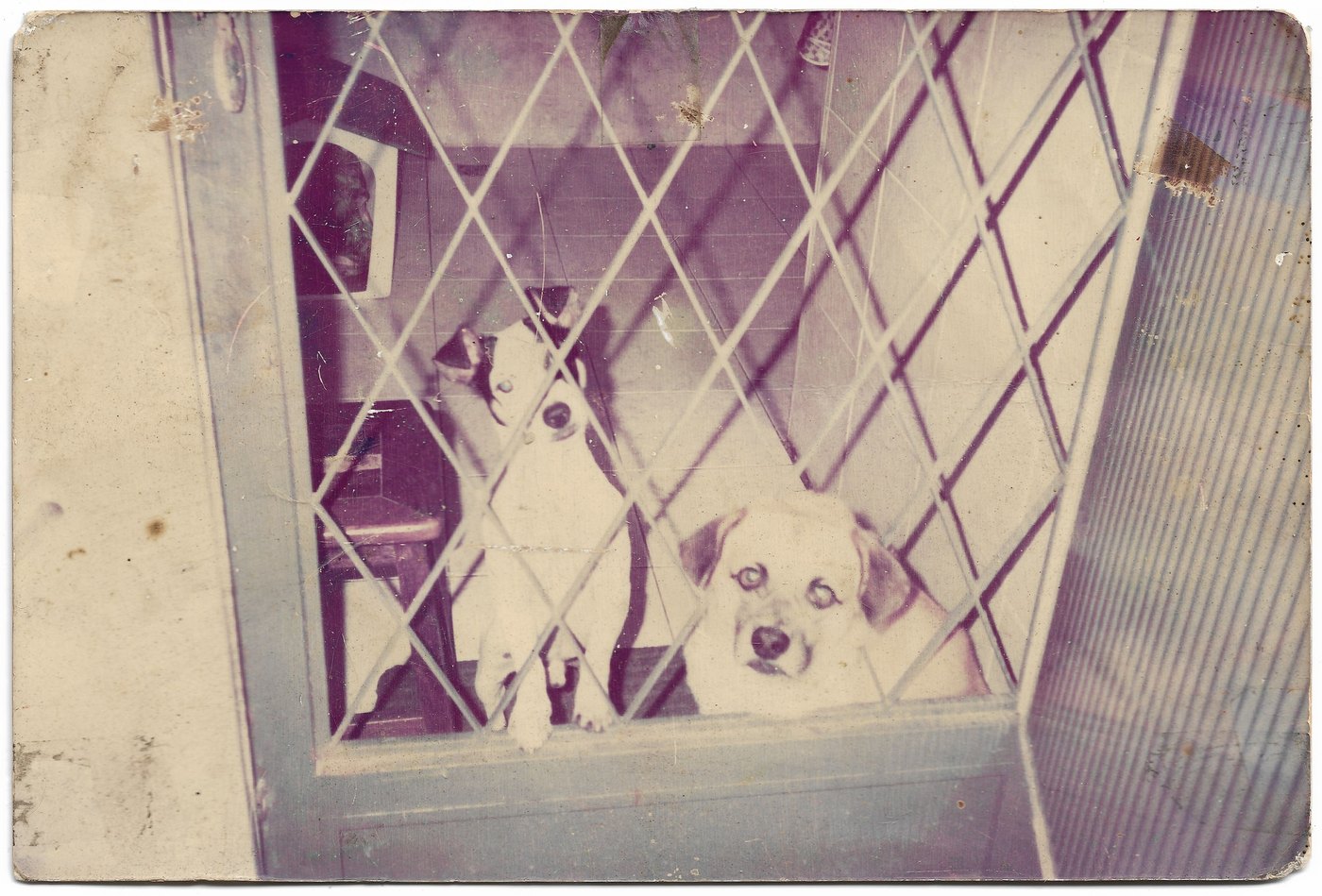
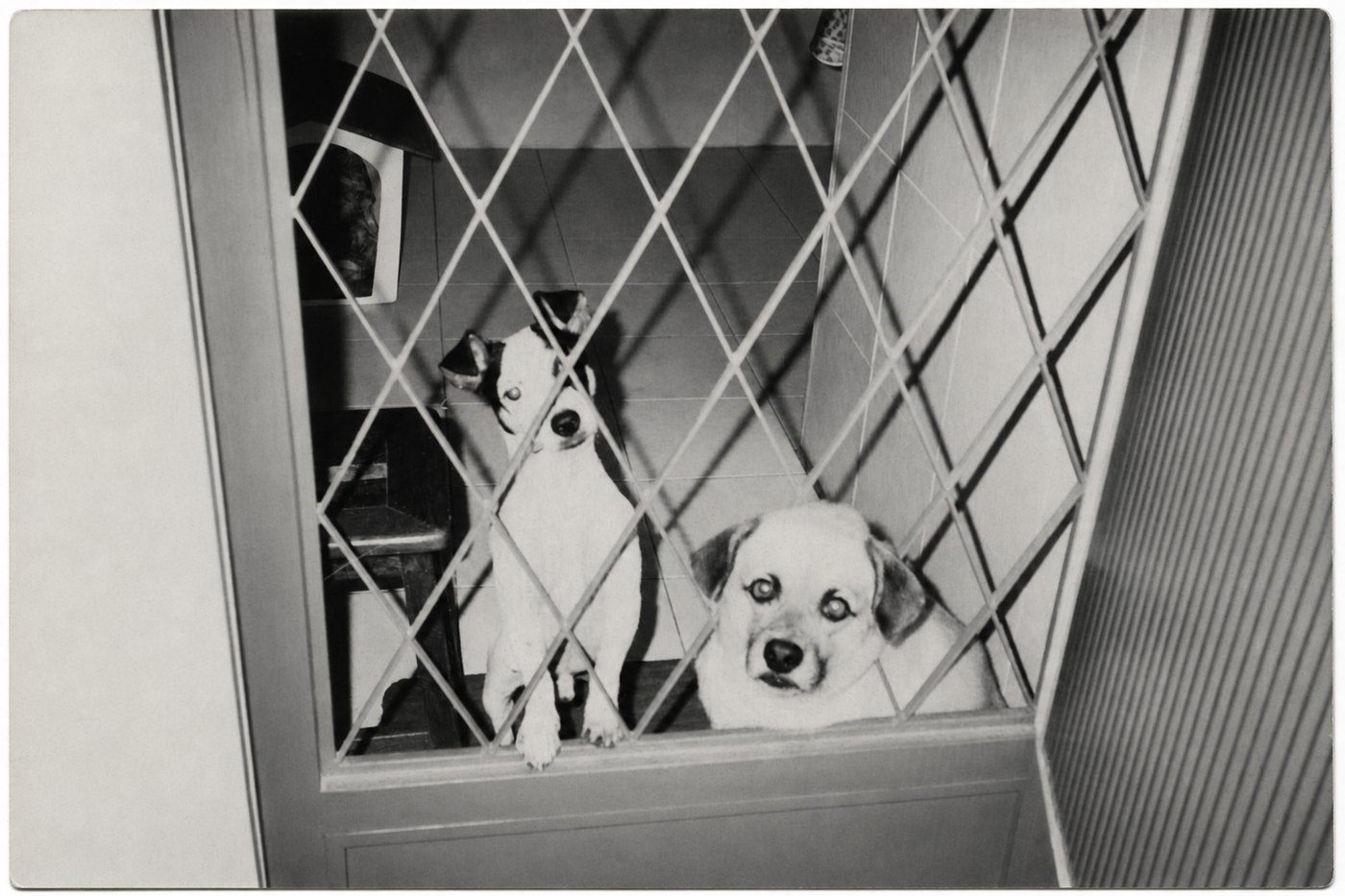
What comes back
- The orange and magenta shift of a faded color print, corrected to muted, period-plausible tones.
- The yellow of an old black-and-white print, and the flat gray where its blacks used to be.
- Density and contrast across the whole photograph, from real black in the shadows to clean white in the highlights.
- The hard line where a mount or a frame protected part of the print and the rest kept fading.
What does not come back
- Color that was never recorded. A black-and-white photograph stays black and white here — we do not add color to one, and nothing we do turns a monochrome print into a color one.
- Detail that faded past recovery. Where a highlight has gone to blank paper there is nothing left in it to read, and what the repair puts back there is drawn rather than uncovered.
- Making it look modern. The point is the photograph as it was taken, not the photograph as a phone would have taken it.
What fills a gap in a damaged photograph is our best guess, not what was there.
Three of these, repaired
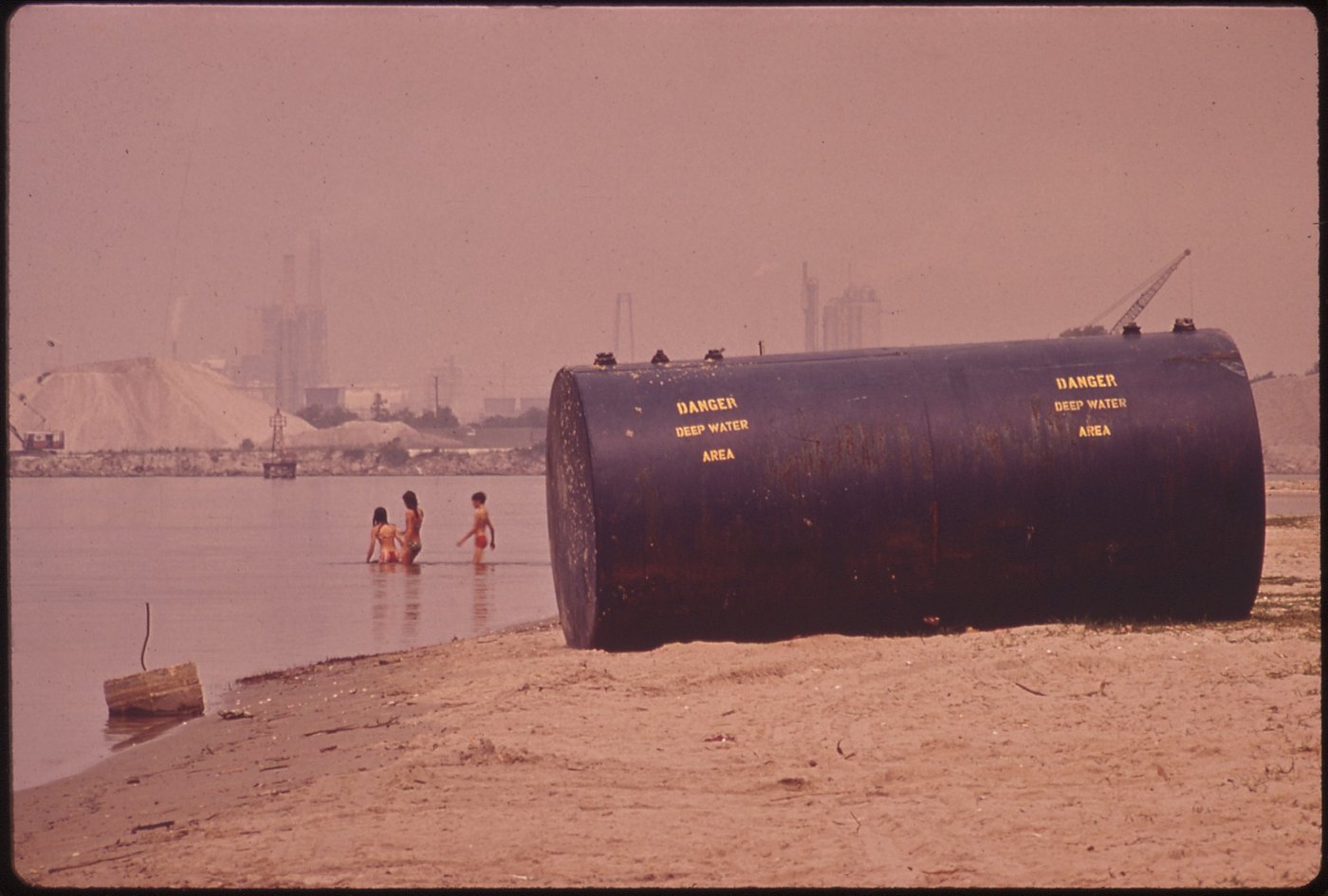
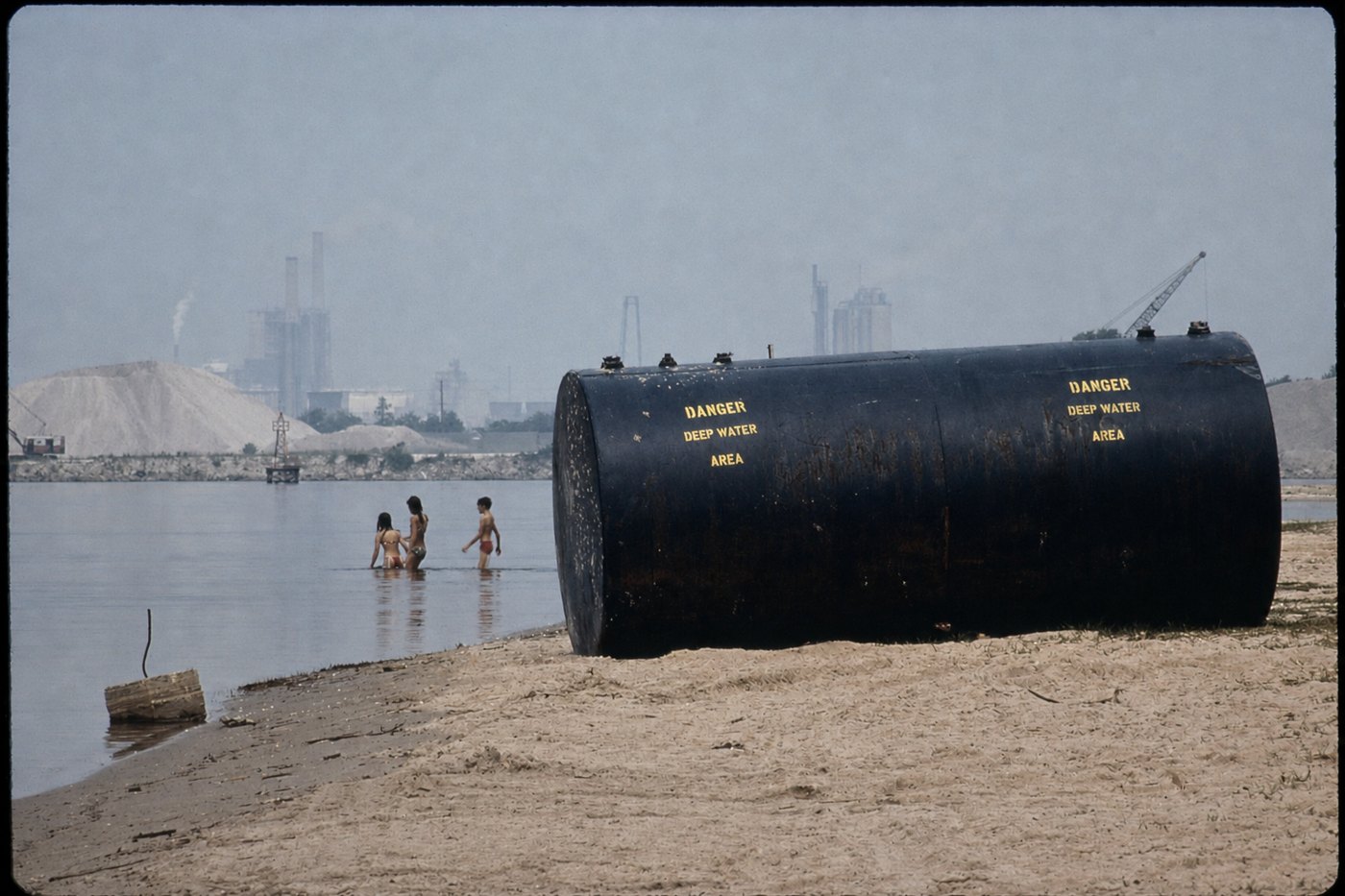
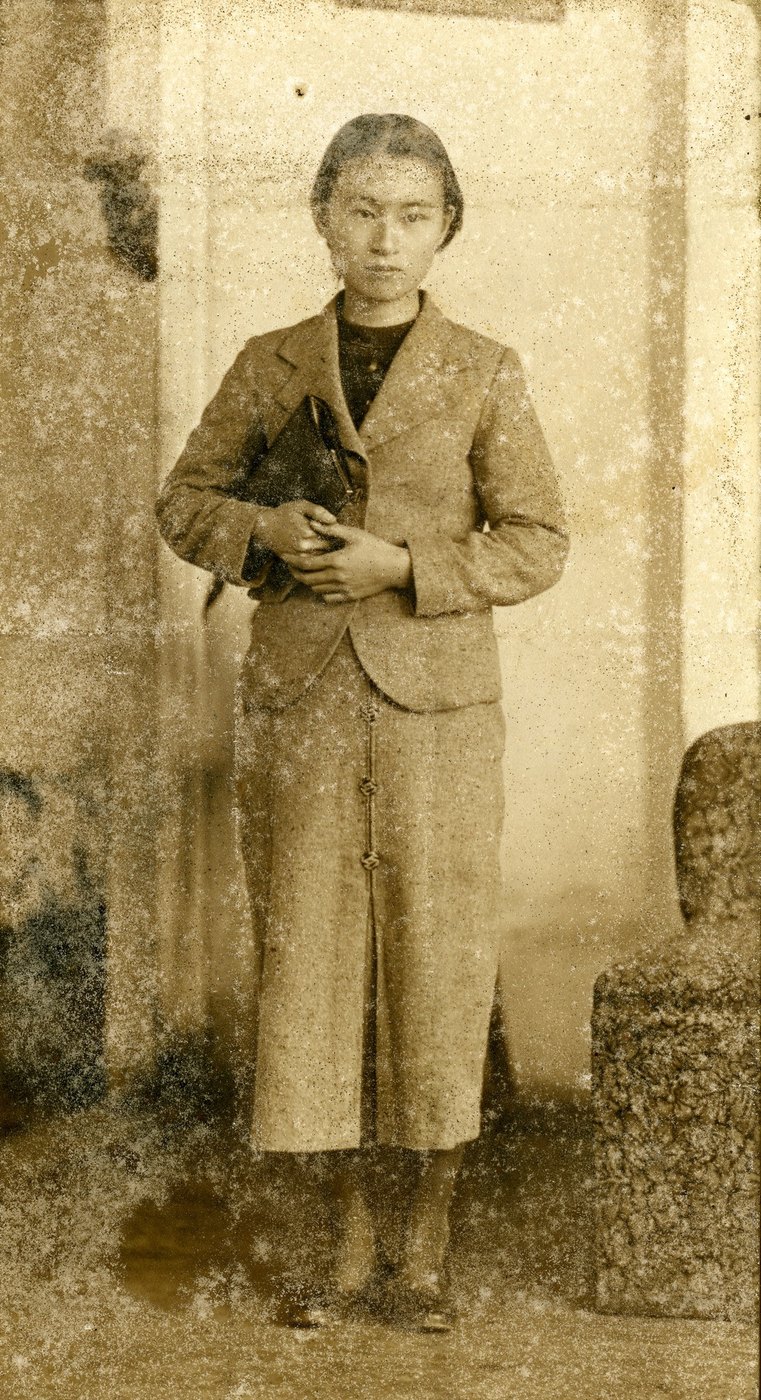
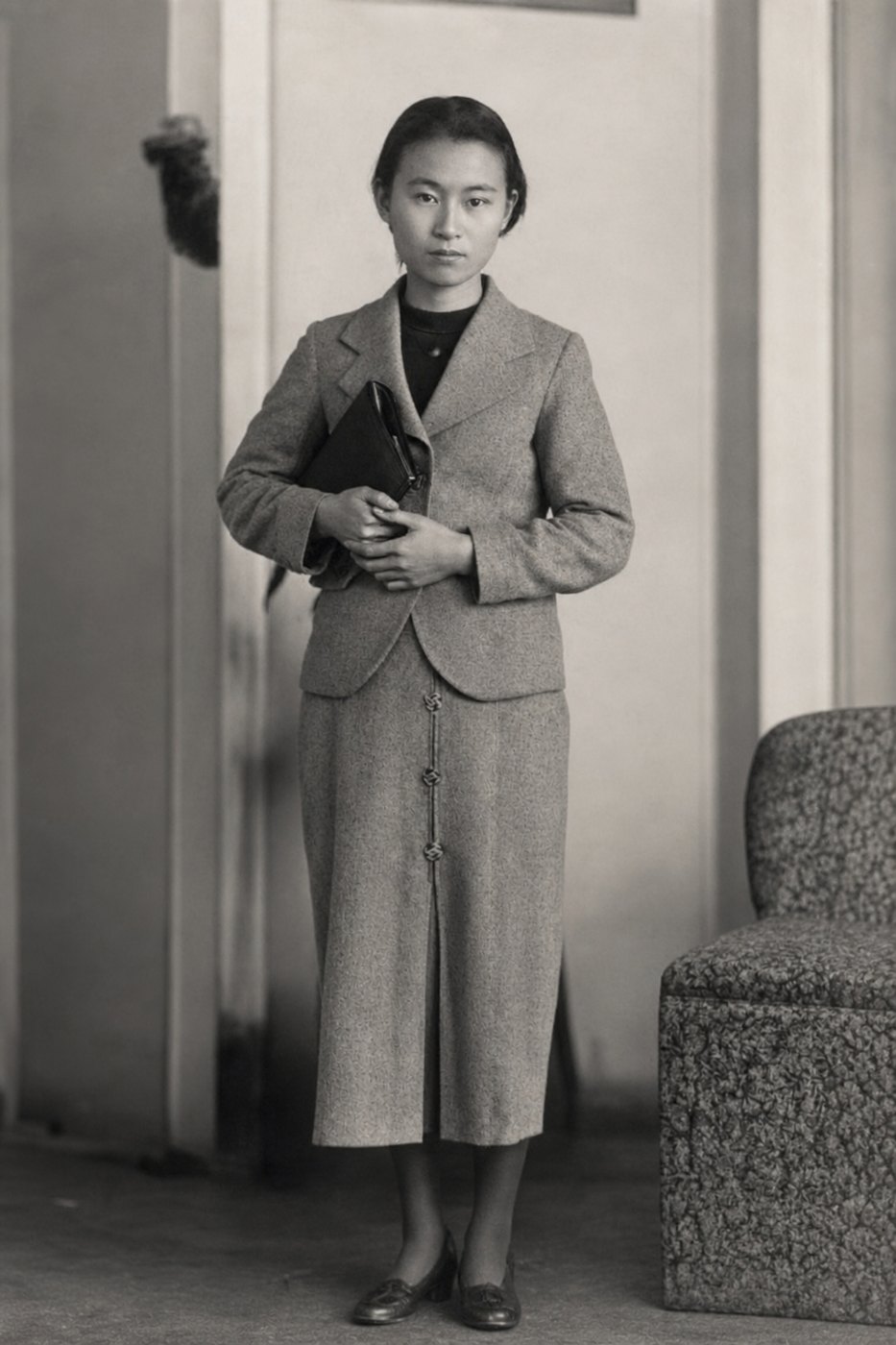
Why it faded, and how to stop the rest
Light, heat and damp, in that order. The photographs still in the box are usually the ones worth acting on now, and negatives and slides fade in the same way for the same reasons while being far easier to store well. The guide below is what to do with them.
Questions about this kind of damage
- Can you add color to a black-and-white photograph?
- Not here. Coloring a monochrome print is a different job with a different risk — every color in it would be a guess about a person we never met. We repair the damage and leave the photograph the kind of photograph it is.
- It is faded and stained. Which page do I use?
- Either. The repair looks at the whole photograph, and one tap only tells us which problem to lead with. A print with fading and water damage is repaired for both in the same pass.
- Will the colors be the real ones?
- They will be plausible and muted rather than certain. Where the cyan dye is gone entirely, its exact value is not recoverable, so we aim for the tones the film and paper of that era actually produced.
Try it on yours
One photograph, repaired, free, with no card. Send this exact kind of damage and see what comes back before you spend anything.
Repair one photograph, freeIf it doesn't look like the person you remember, you don't pay.