Repair a scratched photograph
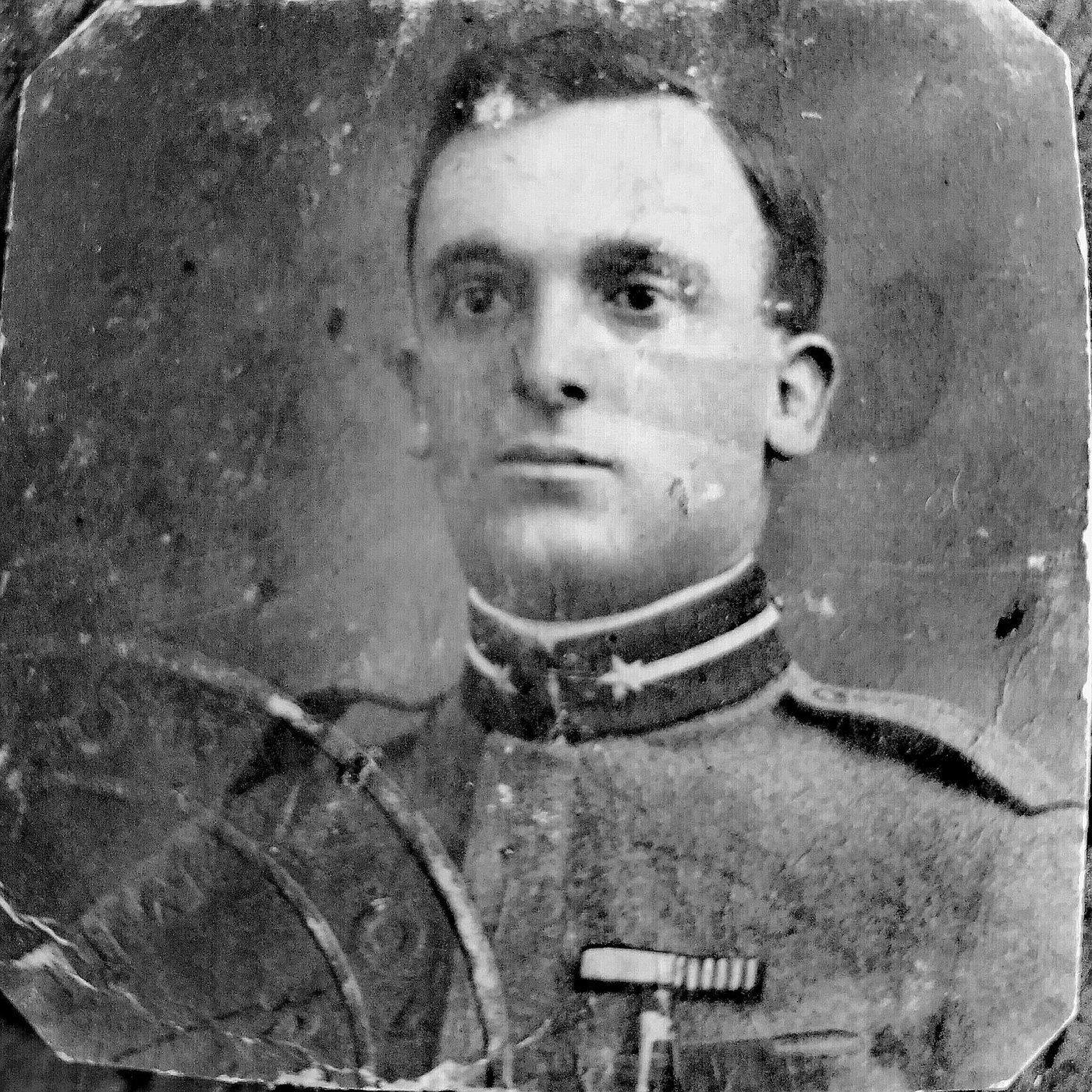
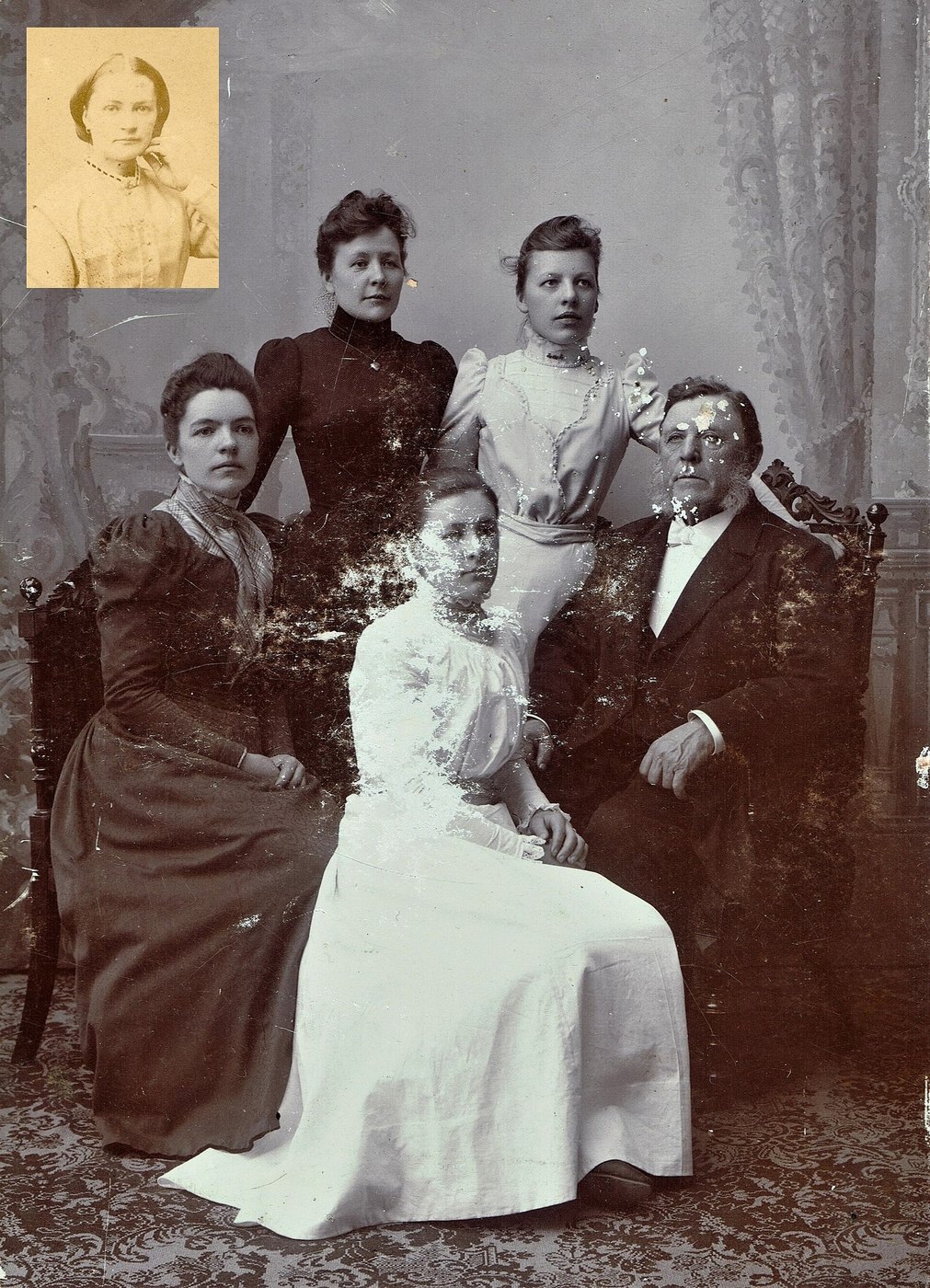
Surface damage collects. A photograph that has been in and out of albums has fine scratches across the emulsion, dust pressed into it, and — if it is old enough — silvering: the metallic, mirror-like sheen that blooms in the dark areas of a silver gelatin print as it ages.
Silvering is the interesting one, because it is not dirt. It is the silver in the photograph itself migrating to the surface, so it cannot be cleaned off a print and it changes with the angle you light it from.
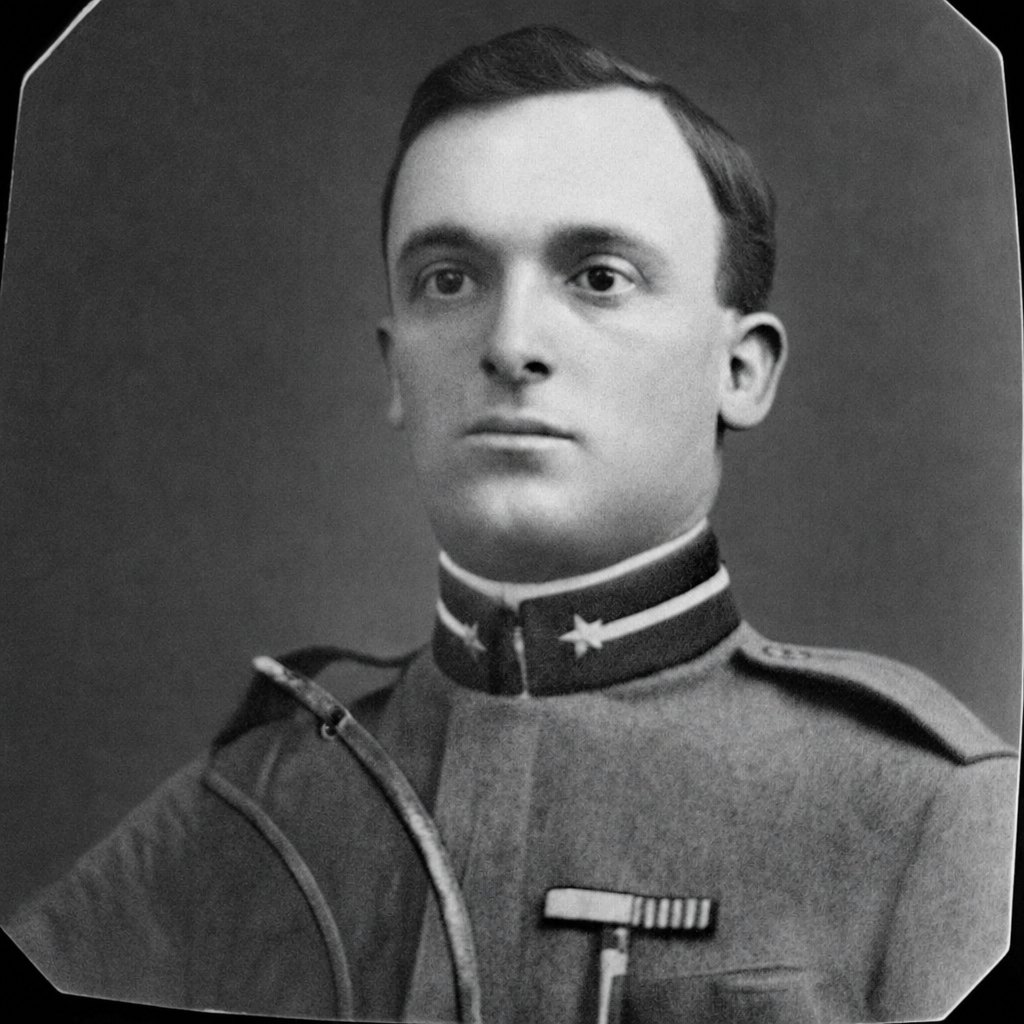
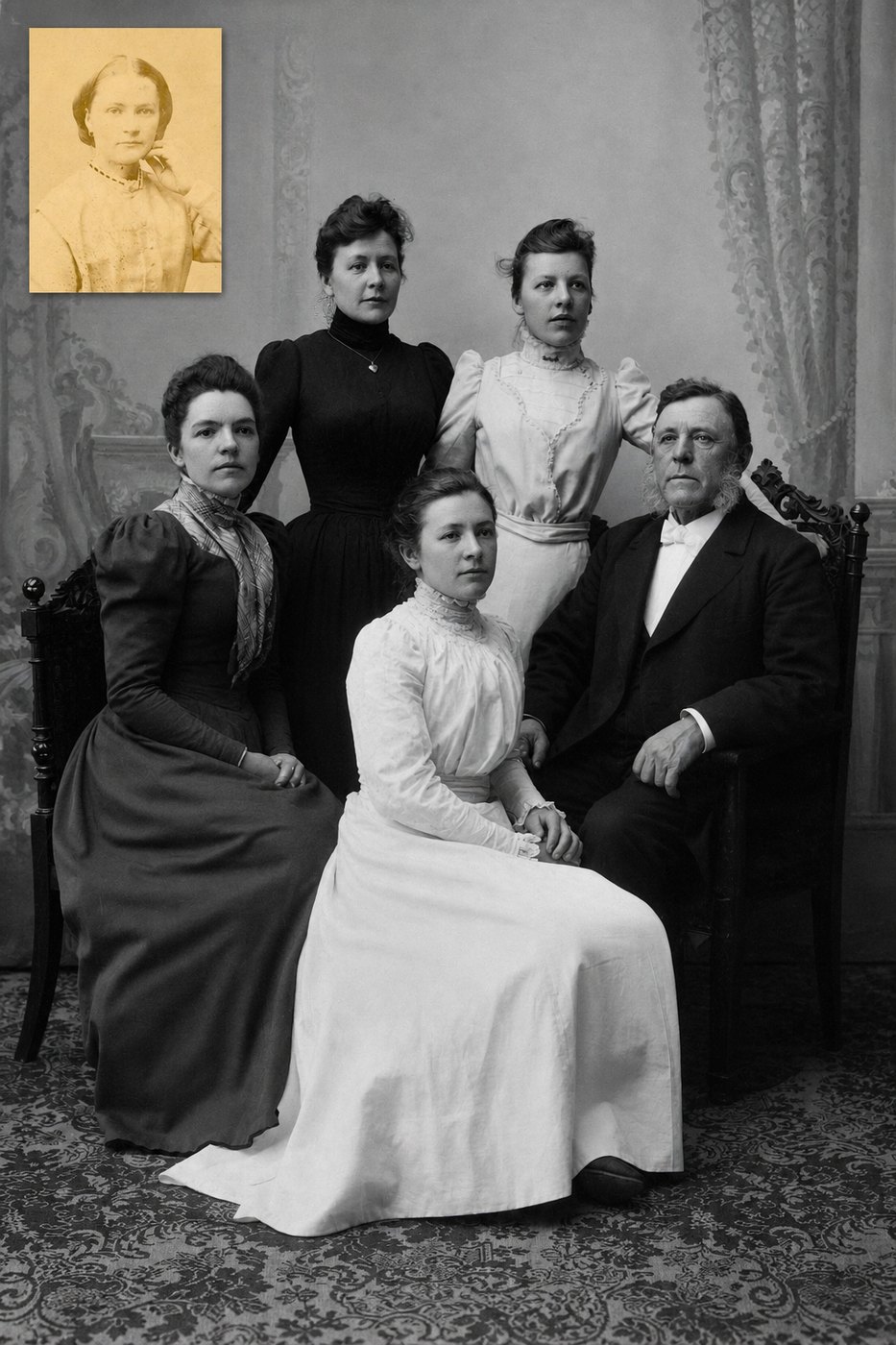
All of it is repairable from a scan, and all of it is easy to over-repair. The line to hold is that the scratches go and the grain stays.
What fills a gap in a damaged photograph is our best guess, not what was there.


What comes back
- Hairline scratches, including the ones that run across a face and are the reason the photograph looks tired rather than damaged.
- Dust, specks and the marks of an album's plastic sleeve.
- Silvering — the metallic sheen in dark areas — brought back to a black that reads as black.
- Scuffing and the dull matte patches left where something rested on the print.
What does not come back
- A gouge that took the emulsion out. A scratch through to the paper base is a loss, and the loss is filled from its own surroundings rather than recovered — which is fine on a coat and is not fine on an eye.
- Removing every trace by blurring. If a scratch cannot come out without taking the grain with it, we leave a trace, and the photograph still looks like a photograph.
- Scratches on the glass of a scanner. Those we cannot see as different from scratches on the print, so keep the platen clean.
What fills a gap in a damaged photograph is our best guess, not what was there.
Three of these, repaired
Getting a scan that helps
Scratches and silvering both depend on how the light hits them, so a scan is usually kinder than a phone photograph here — and 600 DPI is enough. Keep the platen clean, because dust on the glass and dust on the print look identical to us. The guide below is the whole scanning question, settled.
Questions about this kind of damage
- What is the shiny bluish sheen on my old photographs?
- Silvering, or silver mirroring. The silver that makes the photograph is coming to the surface, usually in the darkest areas, and usually because the print was stored somewhere humid or in an unsuitable sleeve. It is not dirt and it does not wipe off.
- Can I clean the surface first?
- A soft blower for loose dust is fine. Cloths, solvents and household cleaners take emulsion with them and turn a scratched photograph into a scuffed one.
- Will the photograph look softer afterwards?
- It should not. Softening is the cheap way to hide surface damage and it is the failure we care most about — look at the repair at full size, which is the only size that tells you.
Try it on yours
One photograph, repaired, free, with no card. Send this exact kind of damage and see what comes back before you spend anything.
Repair one photograph, freeIf it doesn't look like the person you remember, you don't pay.